A school mascot is far more than a costumed character at sporting events or a logo on letterhead. It represents the collective identity of your institution, embodying the values, history, and aspirations that define your school community. Whether you’re establishing a mascot for a new school, refreshing an outdated identity, or reimagining a beloved symbol for a new generation, choosing the right mascot requires thoughtful consideration of who you are as a community and how you want to be remembered.
The most effective school mascots resonate deeply with students, staff, alumni, and the broader community. They appear everywhere—from digital recognition displays in lobbies to athletic uniforms, from graduation ceremonies to alumni reunions. A well-designed mascot becomes inseparable from the school experience itself, creating emotional connections that span generations.
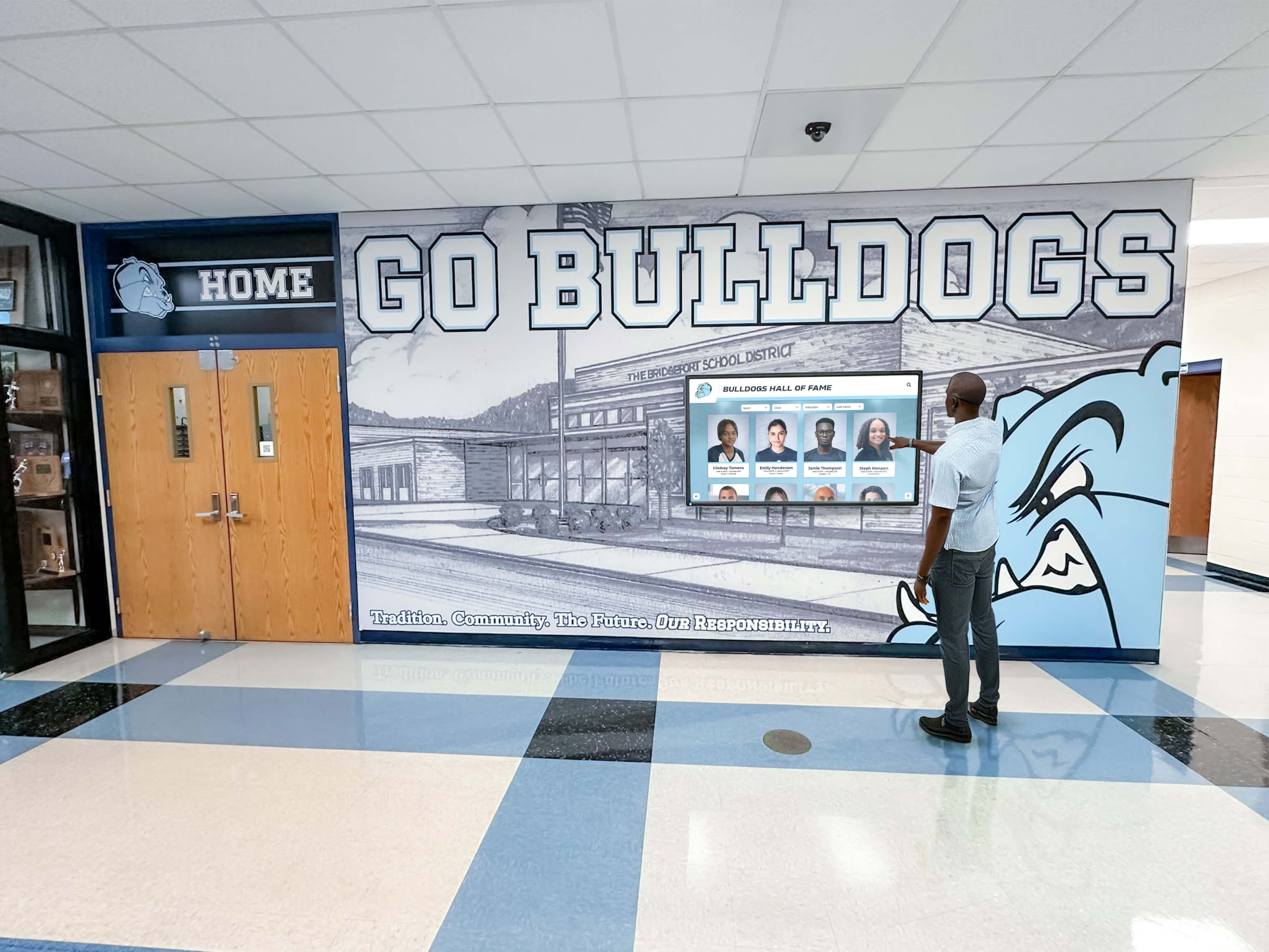
School mascots serve as the visual anchor for recognition displays and institutional branding throughout campus
Why Your School Mascot Identity Matters
Your mascot choice shapes perception, drives engagement, and creates lasting institutional memory in ways that extend far beyond visual appeal.
Building School Spirit and Community
Mascots serve as unifying symbols that bring diverse groups together under a common identity. Students wearing mascot-branded apparel demonstrate school pride. Alumni who graduated decades apart share instant connection through mascot recognition. Faculty and staff rally around the mascot during competitions and celebrations. This shared identity creates cohesion in communities where hundreds or thousands of individuals might otherwise lack common ground.
Schools with strong mascot identities typically report higher engagement in school spirit activities, increased participation in athletics and extracurricular programs, and more active alumni networks. The mascot becomes shorthand for belonging—a visual and verbal code that signals “this is my community.”
Representing Values and Character
Every mascot communicates specific qualities and characteristics. Eagles suggest freedom, vision, and soaring achievement. Lions convey courage, leadership, and strength. Owls represent wisdom, knowledge, and scholarly pursuit. Schools should select mascots whose symbolic meanings align with institutional values and educational philosophy.
When Westerville North High School in Ohio rebranded as the Warriors in 2003, they deliberately chose a mascot representing courage, honor, and community strength—values central to their educational mission. The mascot choice supported their identity as a school preparing students for life’s challenges through character development.
Creating Visual Consistency
A well-defined mascot provides the foundation for consistent branding across all school materials and spaces. From lobby design elements to athletic facilities, from digital displays to printed communications, the mascot creates visual coherence that strengthens brand recognition.
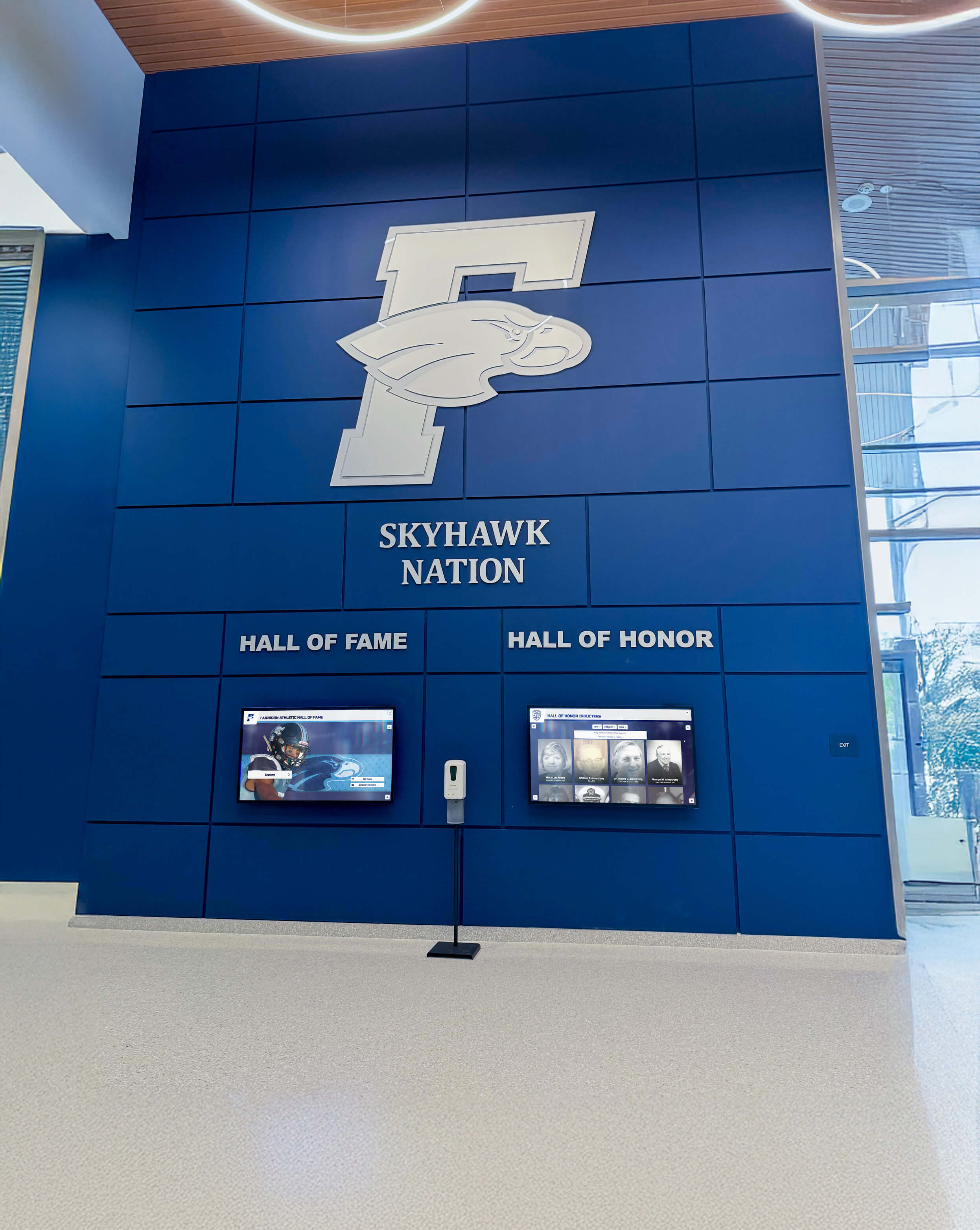
Consistent mascot branding creates welcoming spaces that reinforce school identity from entry points throughout campus
Popular School Mascot Categories and Ideas
Understanding common mascot categories helps schools explore options while considering what each type communicates about institutional identity.
Predatory Animals: Strength and Dominance
Predatory animal mascots dominate American schools, representing approximately 40% of all K-12 institutions according to mascot database analysis. These mascots communicate competitiveness, power, and determination.
Big Cats
- Lions: Courage, nobility, leadership, and pride
- Tigers: Ferocity, power, agility, and fearlessness
- Panthers: Speed, intelligence, grace, and mystery
- Wildcats: Versatility, tenacity, independence, and adaptability
- Cougars: Strength, stealth, focus, and territorial pride
Canines
- Bulldogs: Tenacity, determination, loyalty, and resilience
- Wolves: Teamwork, intelligence, family bonds, and strategic thinking
- Huskies: Endurance, strength, reliability, and cold-weather toughness
Birds of Prey
- Eagles: Freedom, vision, American patriotism, and soaring achievement
- Hawks: Sharp focus, precision, territorial pride, and hunting excellence
- Falcons: Speed, agility, nobility, and aerodynamic efficiency
These mascots work particularly well for schools emphasizing athletic excellence, competitive academic programs, or preparing students to face challenges with strength and determination.
Non-Predatory Animals: Positive Attributes
Schools seeking less aggressive imagery often select animals representing positive qualities without predatory associations.
Mammals
- Dolphins: Intelligence, playfulness, cooperation, and communication
- Mustangs: Freedom, spirit, energy, and Western heritage
- Bears: Strength combined with protective family instincts
- Rams: Determination, head-strong persistence, and mountain resilience
Birds
- Cardinals: Brightness, visibility, loyalty, and year-round presence
- Blue Jays: Intelligence, resourcefulness, adaptability, and distinctive identity
- Ravens: Intelligence, problem-solving, mythology, and literary connections
Insects
- Yellow Jackets: Teamwork, defensive unity, and small-but-mighty attitude
- Hornets: Similar to Yellow Jackets with more aggressive connotations
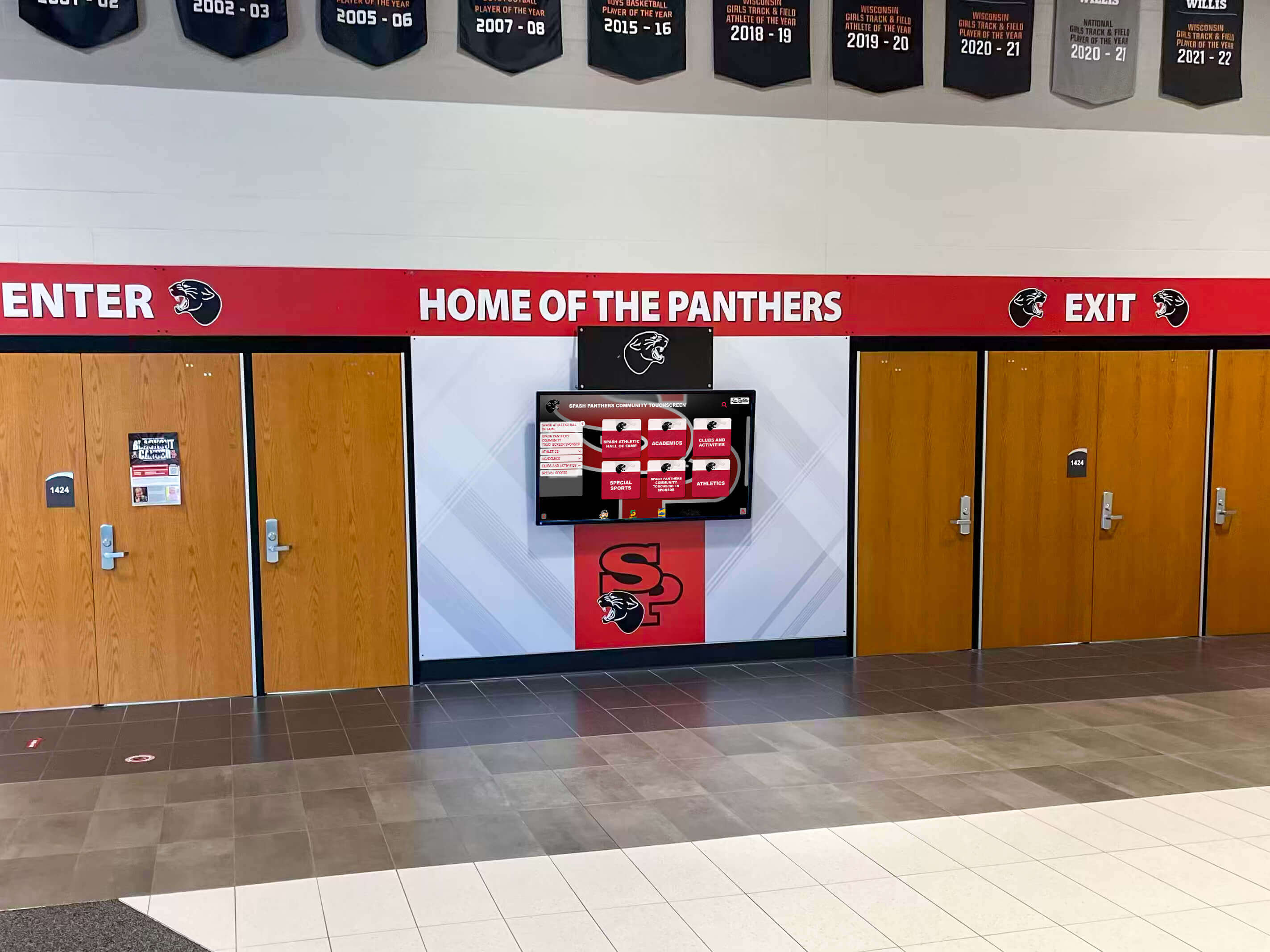
Panther mascots combine strength with sleek aesthetics that translate well across signage and digital displays
Historical and Cultural Figures
Mascots representing people groups require careful consideration of cultural sensitivity and historical accuracy.
Military and Historical
- Warriors: Courage, honor, discipline, and martial strength (avoid Native American imagery without tribal partnership)
- Spartans: Ancient Greek warriors representing discipline, sacrifice, and military excellence
- Knights: Medieval chivalry, honor codes, protection, and European heritage
- Trojans: Ancient defenders representing courage and legendary status
- Patriots: American Revolutionary spirit, independence, and civic duty
Occupational and Regional
- Miners: Industrial heritage, hard work, and resource extraction history (common in mining regions)
- Pioneers: Westward expansion, exploration, and settlement (common in Western states)
- Mariners: Coastal identity, seafaring tradition, and navigation excellence
Schools choosing human figure mascots should research the historical and cultural implications thoroughly, ensuring representations honor rather than appropriate or trivialize cultures.
Nature and Weather Phenomena
Natural force mascots communicate power, unpredictability, and regional identity.
Weather Elements
- Hurricanes/Cyclones: Unstoppable force, power, and coastal regional identity
- Tornadoes: Midwest identity, whirlwind energy, and destructive capability
- Thunder/Lightning: Sudden impact, electrical energy, and atmospheric power
- Avalanche: Mountain regions, overwhelming force, and cold-weather identity
Natural Features
- Redwoods: Northern California identity, strength, height, and longevity
- Flames: Energy, transformation, passion, and consuming drive
These mascots work well for schools in regions where these phenomena define local identity and experience.
Mythological and Fantastical
Mythological mascots offer creative freedom while communicating specific symbolic meanings.
Classical Mythology
- Titans: Ancient Greek giants representing enormous strength and primordial power
- Phoenix: Rebirth, renewal, rising from challenges, and immortal spirit
- Griffins: Combination of eagle and lion representing divine power and guardian strength
Fantasy Creatures
- Dragons: Power, wisdom, guardianship, and magical strength
- Centaurs: Combination of human intellect and horse strength
These mascots appeal to schools emphasizing transformation, potential, and achieving the seemingly impossible.
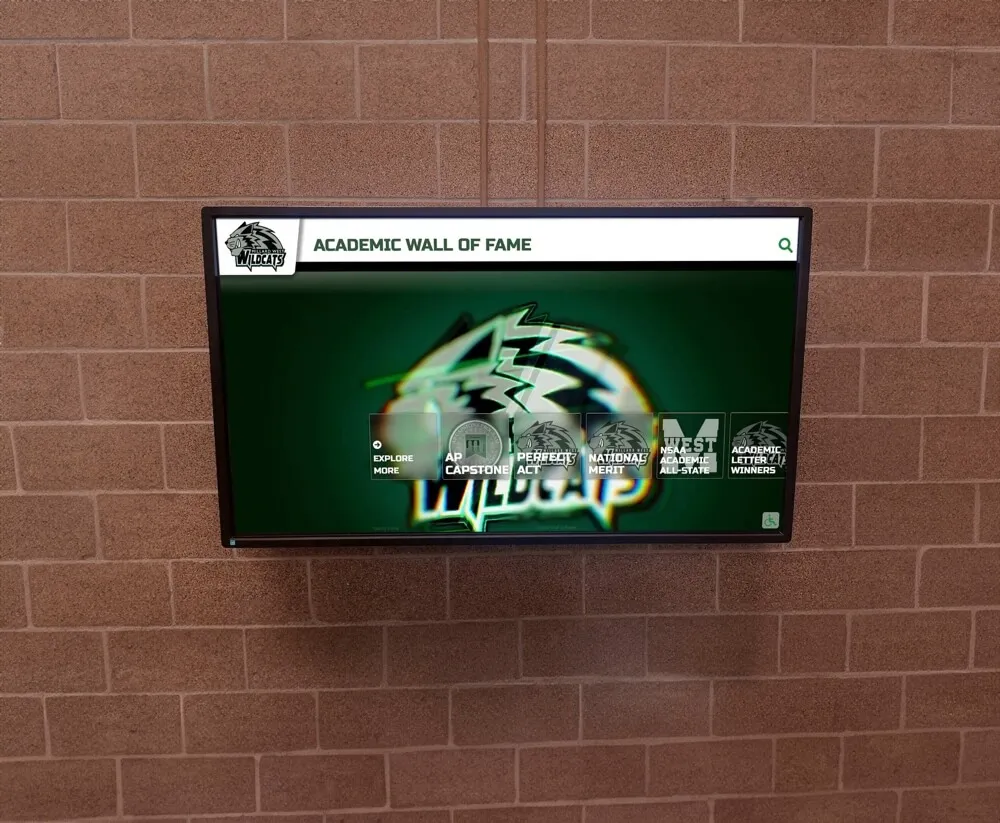
Wildcat mascots offer versatility in design while maintaining fierce competitive spirit across academic and athletic displays
The Mascot Selection Process: From Concept to Launch
Choosing a school mascot requires structured process involving multiple stakeholders and careful consideration of long-term implications.
Forming Your Selection Committee
Successful mascot selection begins with representative committee composition. Include:
Required Voices
- School administration (principals, superintendents, board members)
- Students from multiple grade levels representing diverse interests
- Faculty across departments (athletics, arts, academics)
- Alumni representing different graduation eras
- Parent and community representatives
- Local historians or cultural experts (especially for region-specific choices)
The committee should number 12-20 members to ensure diverse perspective while remaining manageable for decision-making. Designate a chairperson to facilitate meetings and drive process forward.
Research Phase: Understanding Your Identity
Before brainstorming mascot ideas, committees should research the school’s foundational identity.
Discovery Questions
- What is our school’s founding story and historical context?
- What values appear consistently in our mission statements and strategic plans?
- What geographical features, historical events, or cultural elements define our region?
- What makes our school distinctly different from neighboring institutions?
- What do current students, staff, and alumni say they value most about our school?
- What future do we envision for our students and institution?
Schools often discover their most authentic mascot ideas emerge from answers to these questions rather than from generic mascot lists. Denver School of Science and Technology chose “Trailblazers” specifically because it captured their identity as educational innovators charting new paths in STEM education.
Criteria for Evaluation
Establish clear criteria for evaluating potential mascot candidates:
Essential Criteria
- Uniqueness in region: Avoids confusion with rival schools or local institutions
- Visual versatility: Works across media from digital displays to embroidery to signage
- Age-appropriate: Appeals to students across elementary through high school or university levels
- Cultural sensitivity: Respects all cultures and avoids stereotypes or appropriation
- Longevity: Remains relevant and meaningful across decades, not tied to current trends
- Positive associations: Conveys qualities the school wants to cultivate
- Memorable: Distinctive enough for strong recall and emotional connection
Practical Criteria
- Trademark availability for logos and merchandise
- Ease of pronunciation and spelling
- Costume feasibility for games and events
- Color scheme compatibility with existing school colors
- Abbreviation potential that avoids unfortunate acronyms
Community Input and Voting
After narrowing options to 3-5 finalists, schools should gather broad community input.
Input Methods
- Student body voting (weighted by grade level to ensure elementary voices aren’t drowned out)
- Faculty and staff surveys
- Alumni polling through newsletters and social media
- Community forums for public comment and discussion
- Online surveys for remote stakeholder input
Some schools conduct tiered voting where students select their top choice, then faculty vote among student finalists, then administration makes final selection from top community picks. This ensures student voice while maintaining administrative oversight for long-term considerations students might not weigh heavily.
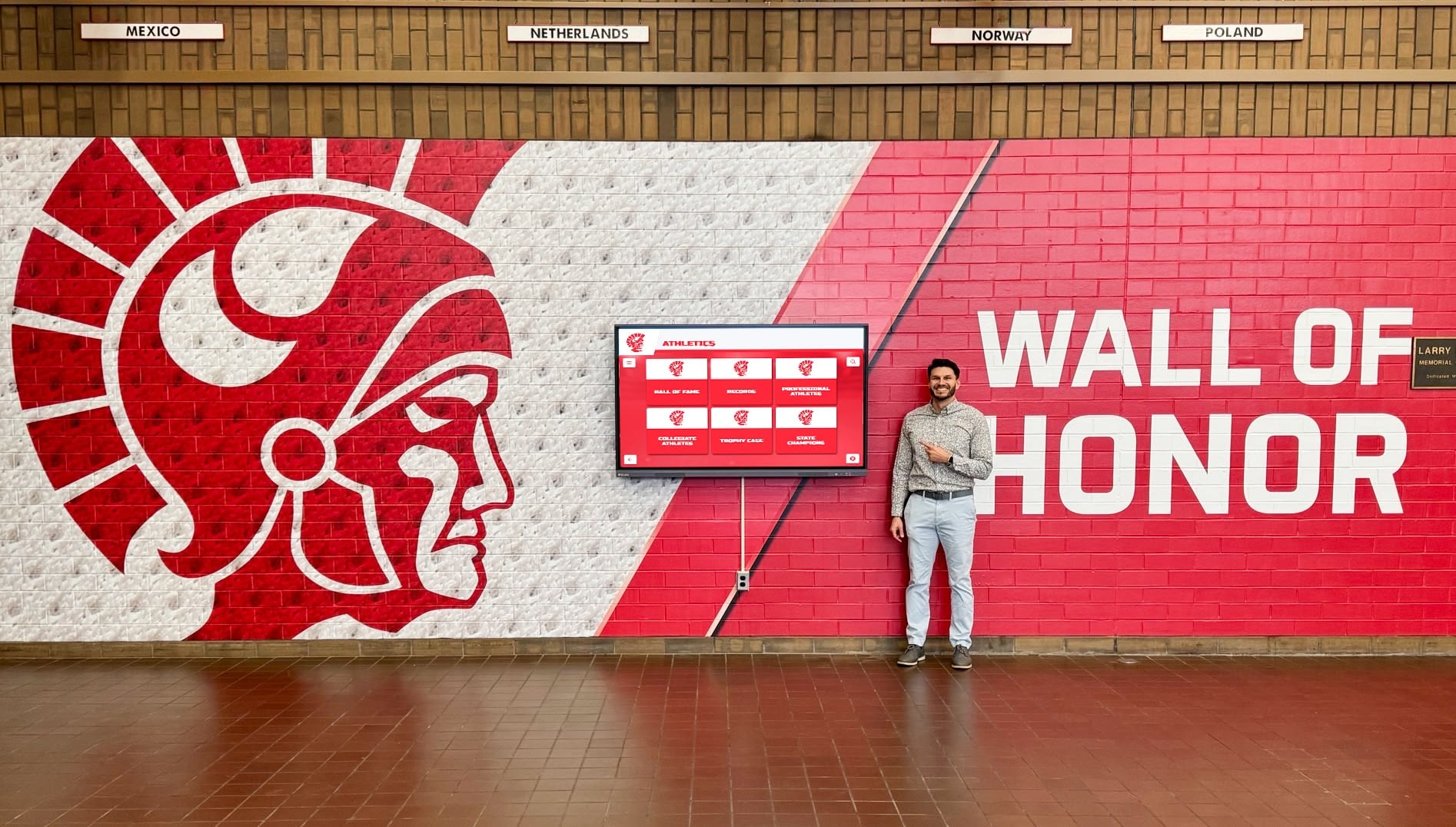
Historical mascots like Trojans create strong brand identity that appears throughout campus recognition systems
Designing Your Mascot Visual Identity
After selecting a mascot name, schools must develop comprehensive visual identity systems that work across all applications.
Logo Design Fundamentals
Professional mascot logo design requires balancing personality with versatility.
Design Principles
- Scalability: Must remain recognizable from business card size to gymnasium wall murals
- Simplicity: Overly detailed designs lose clarity when reduced or viewed from distance
- Color flexibility: Works in full color, single color, and black-and-white applications
- Multiple versions: Develop head-only, full-body, and wordmark variations for different uses
- Vector format: Create in Adobe Illustrator or similar vector software for infinite scaling
Schools should invest in professional design services rather than using clipart or amateur designs. A professional designer typically charges $2,500-$7,500 for comprehensive school mascot logo packages including multiple variations and style guides. This investment pays dividends across decades of use.
Color Psychology and School Colors
Colors communicate psychological meaning that reinforces or contradicts mascot symbolism.
Color Associations
- Red: Energy, passion, power, excitement, courage
- Blue: Trust, loyalty, wisdom, stability, confidence
- Green: Growth, health, nature, renewal, prosperity
- Yellow/Gold: Optimism, achievement, excellence, sunshine, wealth
- Purple: Royalty, luxury, ambition, creativity, wisdom
- Black: Power, sophistication, formality, strength
- Orange: Enthusiasm, creativity, success, determination
- Maroon: Ambition, confidence, strength, understated power
Mascot colors should align with symbolic meaning. An owl mascot representing wisdom pairs naturally with blue or purple. A lion representing courage and strength works well with red, gold, or maroon.
Schools rebranding mascots might maintain existing school colors for continuity or refresh the complete palette for clean-slate rebranding. Both approaches work depending on alumni sentiment and institutional needs.
Character Development for Costume Design
The costumed character that appears at events brings the mascot to life, requiring careful design consideration.
Costume Design Elements
- Personality expression: Fierce versus friendly, serious versus playful
- Movement capabilities: Athletic mascots need range of motion for stunts and acrobatics
- Visibility and safety: Adequate sight lines, ventilation, and mobility for performer
- Durability: High-quality materials that withstand hundreds of performances
- Maintenance: Cleanable materials and replaceable parts for long-term use
- Size inclusivity: Adjustable sizing to accommodate different performers across years
Professional mascot costume companies like BAM Mascots, Costume Specialists, and Hogtown Mascots create custom designs ranging from $2,000 for basic foam-head costumes to $10,000+ for elaborate athletic mascots with multiple interchangeable features.
Implementing Your Mascot Across Campus
Once designed, mascots should appear consistently throughout the school environment, creating immersive brand experience.
Physical Spaces and Environmental Graphics
Strategic mascot placement creates visual reinforcement of identity.
High-Impact Locations
- Main entrance lobbies with welcoming first impressions
- Gymnasium floors and walls during athletic events
- Athletic facility murals celebrating school sports history
- Cafeteria and common areas where students gather daily
- Hallway displays showcasing achievements and recognition
- Outdoor signage visible to passing traffic and visitors
- Digital recognition systems in trophy areas and achievement showcases
Digital and Print Materials
Consistent mascot application across communications strengthens brand recognition.
Application Areas
- Letterhead, envelopes, and business cards
- Website headers, footers, and favicons
- Email signatures for all staff
- Social media profile images and cover photos
- Newsletters and parent communications
- Sports programs and event materials
- Yearbooks and student publications
- Certificates and achievement awards
Schools can use platforms like Rocket Graphics to create consistent branded materials featuring mascot elements across social media graphics, recognition certificates, and promotional materials. This ensures visual consistency even when created by different staff members or departments.
Merchandise and Apparel
Mascot-branded merchandise generates revenue while building school spirit.
Popular Merchandise
- Athletic uniforms and team apparel
- Student and staff t-shirts, hoodies, and spirit wear
- Hats, beanies, and accessories
- Water bottles and bags featuring mascot logo
- Pennants, banners, and decorative items
- Stickers and temporary tattoos for student giveaways
- License plate frames and car decals for alumni
Schools can partner with local screen printers or national companies like BSN Sports, Spirit Shop, or Student Aces to create online spirit stores where community members order customized mascot merchandise year-round. These programs often generate 10-25% profit margins that fund student activities or athletics.
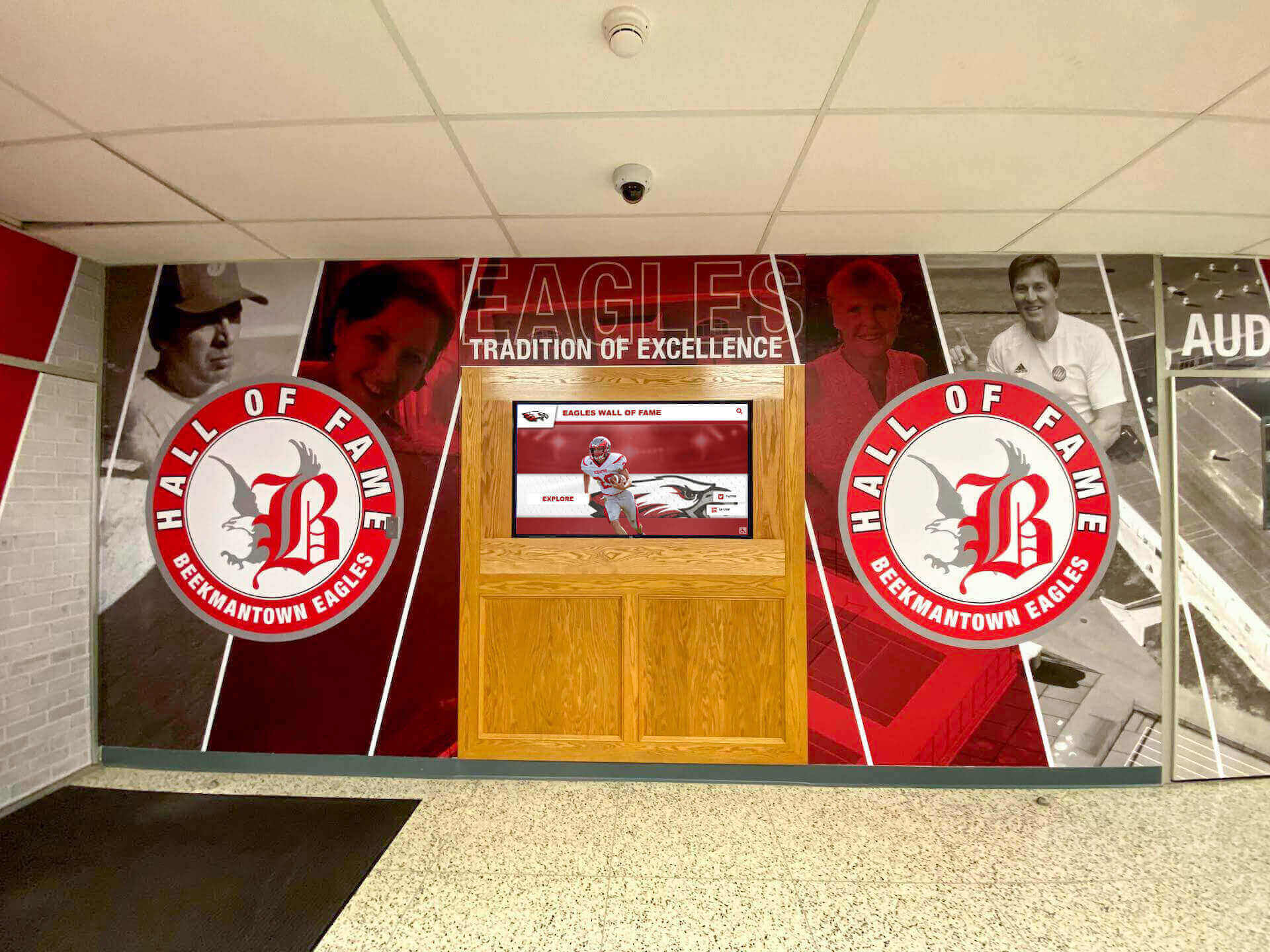
Eagle mascots combine American symbolism with soaring achievement themes that resonate across school recognition displays
Mascot Launch and Community Engagement
The mascot reveal represents significant milestone requiring celebratory launch strategy.
Launch Event Planning
Create memorable introduction that generates excitement and buy-in.
Launch Activities
- Mascot reveal assembly: Full student body event with dramatic mascot unveiling
- Costume debut: First appearance of mascot character performer
- Naming competition: If mascot needs individual character name (e.g., “Sparky the Spartan”)
- Student art showcase: Display finalist designs and committee selection process
- Alumni reception: Special event for alumni to meet new mascot and understand selection rationale
- Media coverage: Invite local news outlets to cover reveal and community celebration
- Social media campaign: Countdown to reveal, behind-scenes content, launch day coverage
Jefferson High School in Portland, Oregon created weeklong “Mascot Mystery” campaign where students solved daily clues leading to final reveal. The engagement strategy generated school-wide excitement and created shared experience around new identity.
Building Tradition and Ritual
Successful mascots quickly become embedded in school traditions.
Tradition Opportunities
- Mascot appearances at all home athletic competitions
- Mascot-led student section cheers and chants
- Annual mascot birthday celebration
- Mascot participation in spirit week activities
- Mascot photos at graduation and orientation
- Senior class photos with mascot costume
- Alumni events featuring mascot appearances
The faster schools build mascot into existing traditions and create new rituals around the symbol, the more deeply it becomes woven into institutional identity.
Student Involvement Programs
Creating mascot-related student roles builds investment and leadership opportunities.
Student Roles
- Mascot performer tryouts and training program
- Mascot committee for coordinating appearances and managing costume
- Student designers creating mascot-themed content and artwork
- Spirit leaders incorporating mascot into cheer and dance routines
- Social media team featuring mascot content
- Mascot historians documenting appearances and maintaining mascot legacy
These programs give students ownership over school identity while developing leadership, creativity, and organizational skills.
Navigating Mascot Changes and Rebranding
Schools occasionally rebrand mascots due to cultural sensitivity concerns, consolidation after district mergers, or desire for updated identity.
When to Consider Mascot Changes
Legitimate reasons for mascot reconsideration include:
Cultural and Social Concerns
- Native American imagery used without tribal partnership or approval (NCAA banned such mascots for member institutions in 2005)
- Stereotypical representations of any cultural or ethnic group
- Symbols with evolved meanings that now carry negative connotations
- Mascots referencing outdated regional industries or problematic historical periods
Practical Concerns
- School mergers requiring unified identity
- Mascot confusion with rival or nearby schools
- Dated designs that no longer reproduce well on modern digital media
- Mascots selected hastily decades ago without strategic consideration
Managing Transition Respectfully
Mascot changes affect alumni identity and emotional connection to school memories.
Transition Best Practices
- Thorough communication explaining rationale with specificity
- Alumni input opportunities before finalization
- Transition timeline allowing adjustment (announce year before implementation)
- Honor old mascot legacy through historical displays and archives
- Grandfather existing merchandise and uniforms during transition period
- Create “bridge” designs incorporating elements of both old and new
- Retirement ceremony honoring outgoing mascot contributions
When La Quinta High School in California transitioned from Blackhawks to Mighty Blackhawks in 2020 to remove Native American imagery while maintaining name recognition, they involved tribal consultants, held multiple community forums, and created historical display honoring the original mascot’s 50-year legacy while explaining the evolution.
Commemorating Mascot Heritage
Schools can honor previous mascots while embracing new identities.
Legacy Preservation
- Historical displays in school archives or digital collections
- Alumni sections of website featuring mascot history and evolution
- Digital timeline displays showing mascot through different eras
- Special alumni merchandise featuring vintage mascot designs
- Reunion events celebrating specific mascot eras
- Oral history projects capturing memories associated with mascot
This approach honors nostalgia while moving forward with contemporary identity.
Frequently Asked Questions About School Mascots
What are the most popular school mascot ideas?
The most popular school mascots in the United States are Eagles, Tigers, Bulldogs, Panthers, and Lions, collectively representing approximately 25% of all K-12 schools. Eagles alone account for roughly 1,300 schools. These mascots remain popular because they communicate universally valued traits like strength, courage, determination, and excellence while offering strong visual design potential across media from logos to costumes to environmental graphics.
How do schools choose a new mascot?
Schools choose mascots through structured committee processes involving students, staff, alumni, and community members. The process typically includes: forming a representative selection committee, researching school history and identity, brainstorming mascot options aligned with values, establishing evaluation criteria, narrowing to 3-5 finalists, gathering broad community input through surveys and voting, and making final selection. The entire process usually spans 6-12 months to ensure thoughtful consideration and community buy-in.
What makes a good school mascot?
A good school mascot authentically reflects institutional values and identity, works visually across all media from business cards to gymnasium murals, remains culturally sensitive and respectful, offers longevity beyond current trends, creates positive associations students want to embody, proves distinctive enough to avoid confusion with nearby schools, and generates emotional connection that builds school spirit. The best mascots tell a story about who the school community is and aspires to be.
How much does creating a school mascot cost?
Creating a comprehensive school mascot identity typically costs $5,000-$15,000 including professional logo design ($2,500-$7,500), custom costume creation ($2,000-$10,000), and initial environmental graphics and signage ($2,000-$5,000). Additional costs include website updates, printed materials, athletic uniforms, and merchandise inventory. Schools often phase expenses across multiple budget years or use fundraising campaigns to offset costs. The investment provides decades of brand value when properly maintained.
Should schools avoid Native American mascots?
Schools should avoid Native American mascots unless they have formal, documented partnership and approval from the specific tribe being represented. The NCAA banned member institutions from using Native American imagery without tribal approval in 2005. Many states including California, Oregon, and Maine have passed laws prohibiting public schools from using Native American mascots. These policies recognize that such imagery often perpetuates stereotypes, appropriates sacred symbols, and creates hostile environments for Native students. Schools with legitimate tribal partnerships like Florida State University (Seminole Tribe of Florida) maintain mascots through formal agreements including financial support, cultural education, and tribal governance over representation.
Building Lasting Identity Through Thoughtful Mascot Design
Your school mascot represents more than a logo or costume—it embodies the collective identity, values, and aspirations of your entire educational community. Whether selecting a mascot for a new institution or reimagining an established symbol, the process requires authentic reflection on who you are as a school and how you want students, staff, and alumni to remember their experience.
The most successful mascots emerge from inclusive processes that honor diverse voices while maintaining strategic vision for long-term institutional identity. They translate effectively across every application from digital recognition displays to athletic uniforms, creating visual consistency that strengthens brand recognition and community pride.
By investing thoughtful consideration into mascot selection and design, schools create symbols that unite current students while honoring alumni, attract prospective families while respecting tradition, and build institutional legacy that endures across generations. Your mascot tells your story—make sure it’s a story worth telling, authentic to your community, and inspiring to everyone who wears your colors.
Ready to showcase your school mascot across modern recognition displays? Rocket Alumni Solutions creates custom digital displays that feature your mascot while celebrating student achievements, athletic records, and institutional history—creating welcoming spaces that reinforce school identity throughout campus.