The FBLA logo is one of the most recognizable marks in student business education — a bold visual identity that chapters display on everything from chapter banners and induction ceremony backdrops to award certificates and hallway recognition boards. Getting it right matters. Misusing the logo by stretching it, recoloring it, or crowding it with competing visual elements undermines the professionalism that FBLA chapters work hard to project. And when done well, FBLA branding turns ordinary school recognition materials into polished, credible displays that command respect from students, faculty, and community members.
This guide covers the official FBLA logo and branding elements, the display guidelines chapters should follow, and practical design tips for creating recognition materials — banners, certificates, induction displays, and hallway graphics — that look as professional as the organization behind them.
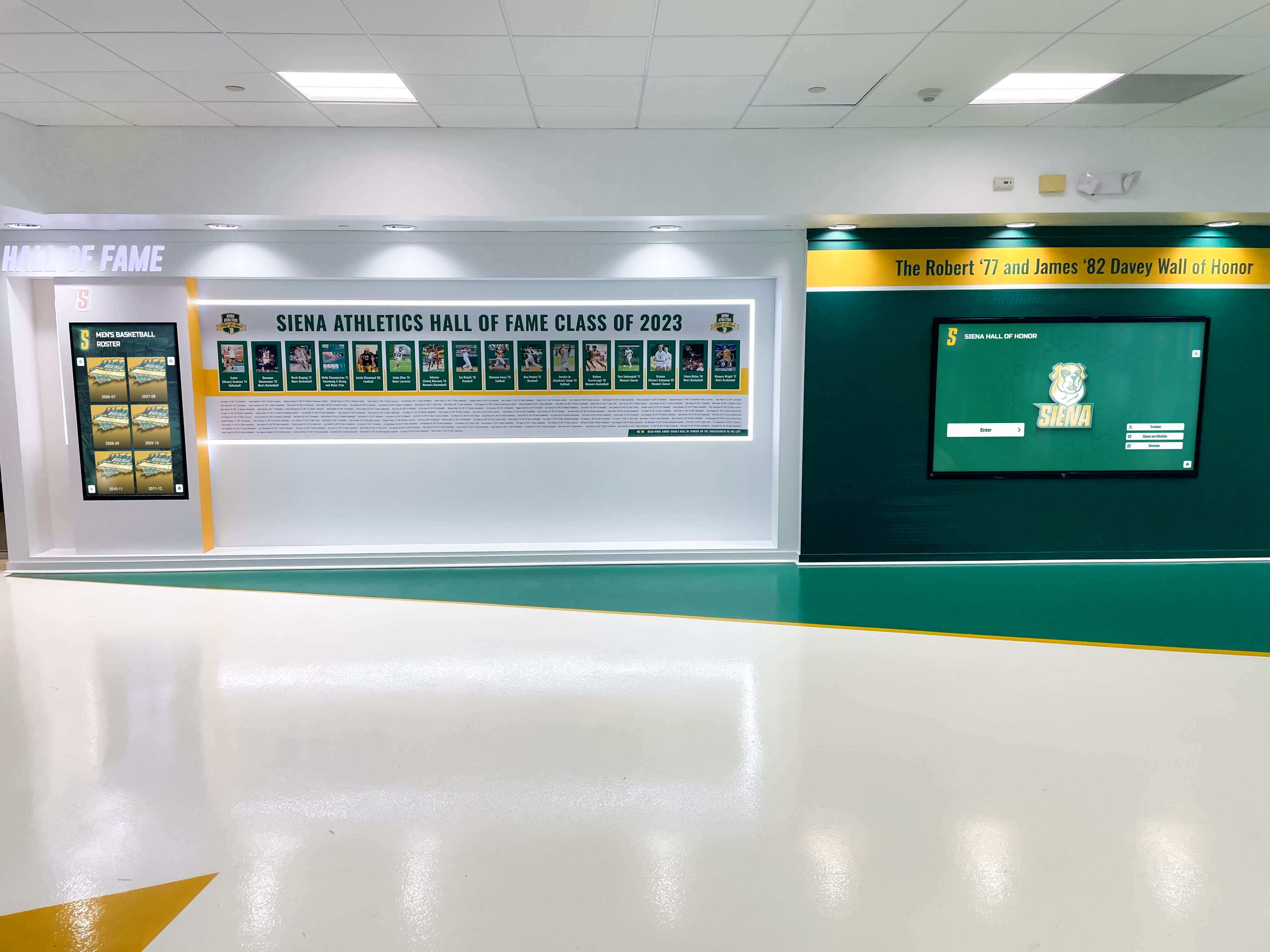
School programs that invest in well-designed recognition displays — from chapter banners to hallway honor walls — signal institutional pride and program credibility
What the FBLA Logo Represents
Future Business Leaders of America (FBLA) is the largest student business organization in the United States, serving more than 230,000 active members across high schools and middle schools. The organization was founded in 1942 and has grown to encompass chapters in all 50 states, Puerto Rico, the Virgin Islands, and international programs. Its sister division, Phi Beta Lambda (PBL), serves college students under the combined FBLA-PBL umbrella.
The FBLA logo carries decades of organizational history and instant recognition in educational settings. When a school displays it on a chapter banner or classroom recognition wall, it communicates membership in a nationally respected program — one that colleges and employers recognize as meaningful on a student’s record. That brand equity is worth protecting through correct, consistent use.
Official FBLA Branding Elements
Colors
FBLA’s official color palette centers on three primary colors that give the brand its distinctive look:
- Royal Blue — The primary brand color, used in the logo mark and most official applications
- Gold — The accent color paired with royal blue for headers, borders, and decorative elements
- White — Used for type reversed out of blue or gold backgrounds and for clean visual breathing room
These three colors work together to project professionalism, academic seriousness, and organizational tradition. Chapters should replicate these exact colors in any materials that incorporate the FBLA logo or branding — not approximate versions of blue and gold that drift toward navy, teal, or yellow.
When designing digitally, use the official hex codes as your reference: Royal Blue approximates #003F87 and Gold approximates #F5A623, though chapters should always verify current specifications through FBLA’s official brand resources at fbla.org, as these values can be updated.
Typography
FBLA’s official materials use clean, modern sans-serif typefaces that project a professional business aesthetic. Chapter-created materials should complement this approach rather than conflict with it — avoid decorative, script, or novelty fonts on chapter documents that will appear alongside the FBLA logo. A clean, readable sans-serif for body text and a bold version of the same family for headers will always look appropriate.
Logo Variations
FBLA maintains several approved logo variations for different use cases:
- Primary horizontal lockup — Logo mark with FBLA wordmark beside it; the standard version for most applications
- Stacked version — Logo mark above the wordmark; used when horizontal space is constrained
- Wordmark only — Text-based version for contexts where the full mark would be too complex at small sizes
- Reversed version — White logo on blue or dark backgrounds; used for dark-background banner applications
Chapters should obtain logo files directly from FBLA national through member resources, which provide vector formats (SVG, EPS) that scale to any size without quality loss.
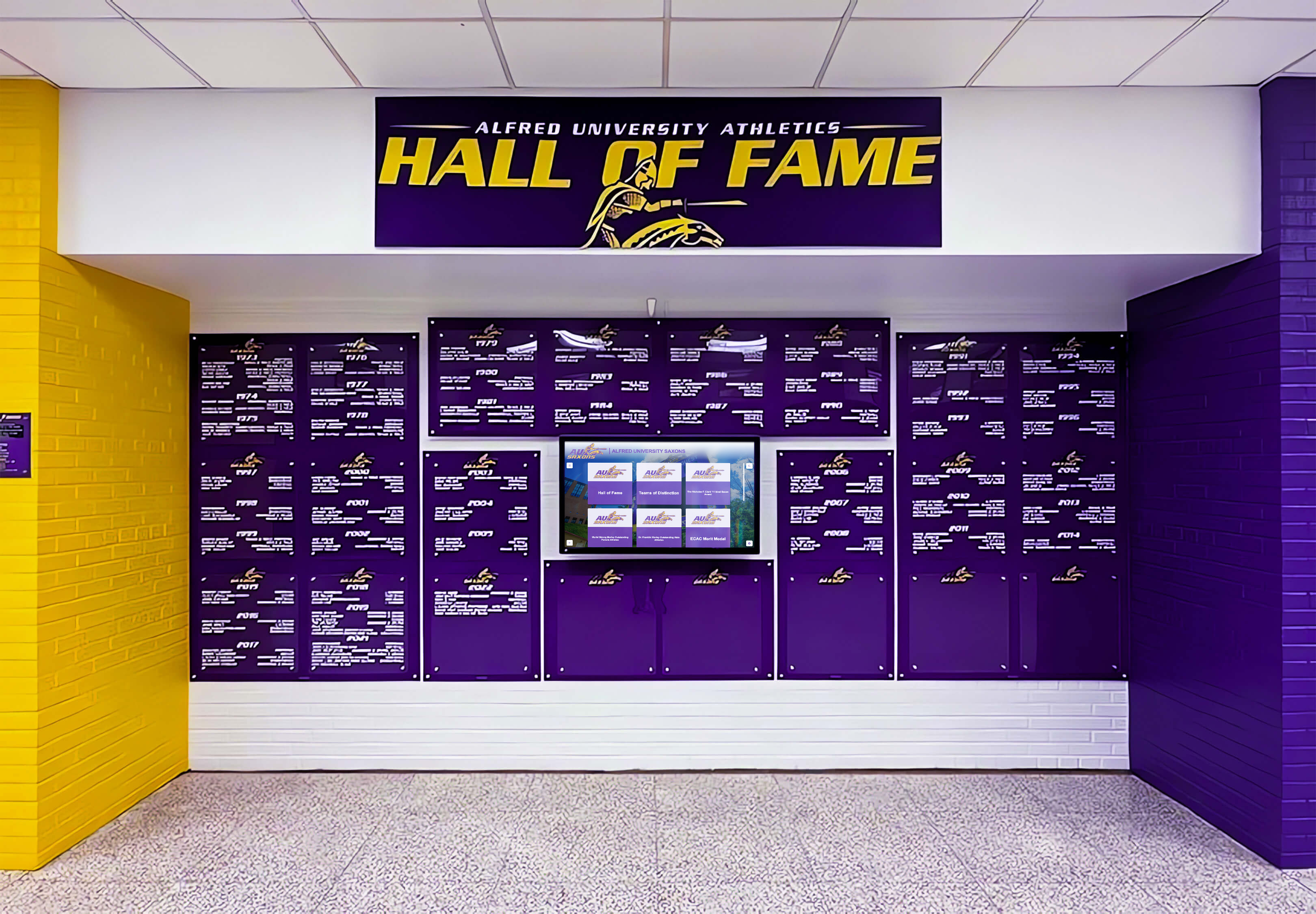
Organized color coordination between background, logo, and text creates professional recognition displays that reinforce chapter identity
FBLA Chapter Logo Display Guidelines
FBLA national maintains brand standards that govern how chapters may use the logo. These guidelines protect the organization’s visual integrity and ensure that every chapter’s materials reflect the same professional standard. While chapters should always refer to the current edition of FBLA’s official brand guide for complete specifications, several universal rules apply consistently.
What You Should Always Do
Maintain clear space. Every logo should have a designated zone of empty space around it — no other text, graphics, or design elements intrude into this area. For the FBLA logo, a clear space equal to approximately the height of the “F” in the wordmark on all sides is a practical rule of thumb. This ensures the logo is visually isolated and immediately legible.
Use approved color combinations. The logo should appear in its official colors on white, light gray, or solid dark backgrounds where the reversed version applies. Placing the logo on patterned backgrounds, photographs, or competing colors reduces legibility and violates brand standards.
Use vector files whenever possible. Print applications — banners, posters, certificates — require vector files to maintain sharp, clean edges at any size. Raster files (JPEG, PNG) pixelate when scaled up, resulting in blurry logo reproduction that undermines professionalism.
Reproduce the logo at legible sizes. There is a minimum size below which logos become illegible. For printed materials, the FBLA logo should generally be at least one inch wide in its horizontal form. For digital applications, ensure the logo is clearly readable at typical viewing distances.
What to Avoid
Never stretch or distort the logo. Scaling must maintain the original proportions. Squashing or stretching the mark to fit an awkward space changes the relationship between the logo’s elements in ways that look unprofessional and violate brand standards.
Never recolor the logo. Using the school’s own colors instead of official FBLA blue and gold, applying gradient fills, or creating outlined versions of the mark are all violations of brand integrity. The logo looks like what it is: a nationally standardized mark that belongs to the organization.
Never add effects. Drop shadows, glow effects, bevel/emboss treatments, and decorative outlines are common temptations in design software — and all of them conflict with official logo usage. The mark should appear clean and flat.
Never alter the typography. The wordmark’s letterforms are part of the logo’s protected design. Chapters cannot substitute different fonts for the FBLA name within the lockup or rearrange the layout of logo elements.
Never place the logo on low-contrast backgrounds. A blue logo on a dark blue background, or a gold accent on a yellow background, makes the mark nearly invisible. Sufficient contrast is a basic requirement for functional logo use.
Where to Display the FBLA Logo in School Settings
FBLA chapters create brand touchpoints throughout school environments — hallways, classrooms, event spaces, and digital screens. Each location has its own practical considerations.
Classroom Chapter Displays
Most FBLA chapters operate out of a dedicated classroom or business department space. Strong classroom displays include:
- Chapter banner — The primary brand anchor for the space; typically a fabric or vinyl banner displaying the FBLA logo prominently with the chapter name below. Standard banner sizes run 2×4 feet to 3×6 feet depending on wall space.
- Member roster board — A visual listing of current members, officers, and their roles, often incorporating the FBLA logo in the header
- Achievement wall — A dedicated section showing competitive results, state qualifiers, national placements, and chapter awards from the current and previous years
- Goal board — A tracking display for chapter membership targets, fundraising progress, and competitive season goals
Hallway and Lobby Recognition Displays
Chapters whose schools allow hallway space benefit enormously from public-facing recognition displays. When other students and faculty pass FBLA achievement boards daily, it raises the program’s visibility in the school’s broader recognition culture — a meaningful recruitment and retention tool.
School award ceremony planning resources consistently emphasize that visible public recognition is among the most effective ways to build program prestige. A hallway display with state and national qualifier portraits, competitive trophies, and the FBLA logo as the organizing visual element sends a clear signal to prospective members.
Recognition plaques for school programs represent another dimension of public display — especially useful for honoring chapter officers by year, state competitors, and national conference attendees.
Event and Ceremony Backdrops
FBLA chapters host several annual events where professional visual presentation matters:
- Induction ceremonies welcoming new members
- Business Professional of the Year (BPOY) competitions
- State and national conference send-off events
- End-of-year banquets
For each of these events, a properly branded backdrop — step-and-repeat banner, podium signage, or table display — reinforces that students are participating in something professionally serious. The backdrop also serves as the photo background for portraits that will appear in yearbooks, social media, and chapter records.
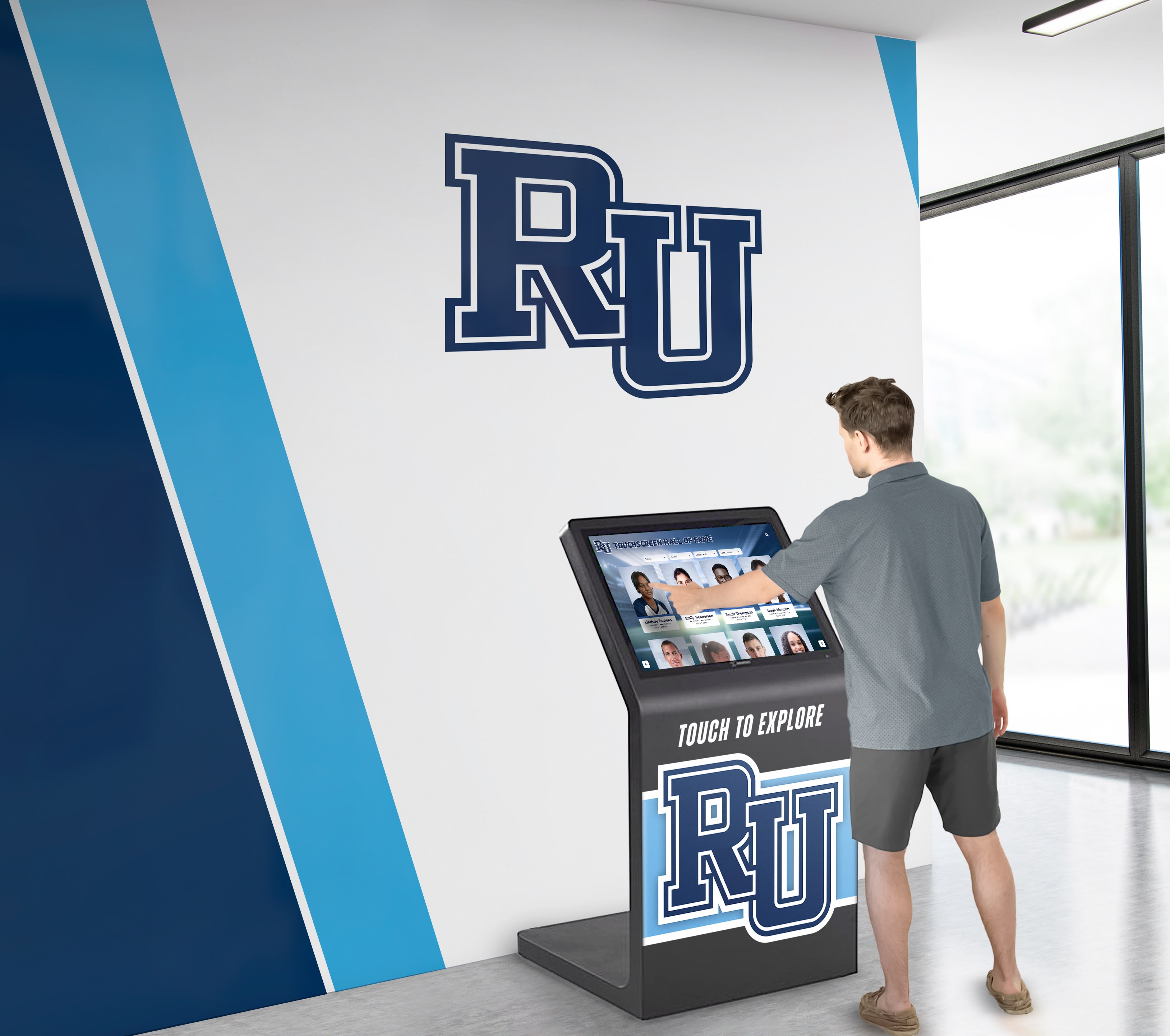
Digital recognition kiosks allow chapters and schools to display member profiles, achievement records, and organization branding in interactive, updateable formats
Design Tips for FBLA Chapter Materials
Certificates and Award Documents
Award certificates are among the most frequently produced FBLA chapter documents — issued for induction, competitive placements, officer installation, and chapter-level recognition. Certificate design quality directly affects how recipients perceive the honor.
Certificate design principles:
- Place the FBLA logo prominently at the top center or upper left, with clear space protecting it from surrounding text
- Use a color border in royal blue or gold to frame the document and tie it visually to FBLA branding
- Select a serif typeface for the recipient’s name — they read as more formal and ceremonial than sans-serif
- Keep the background clean and light — white or very light parchment — so text and the logo read clearly when printed
- Include the chapter name, school name, date, and authorizing signatures with room to breathe
For competitive achievement certificates (State Qualifier, National Conference Participant, Top 10 Finisher), the design should scale in prominence to match the achievement — a national placement deserves a more elaborate document than a chapter attendance award.
Chapter Banners
Chapter banners serve both ceremonial and permanent display purposes. Well-designed banners balance the FBLA brand identity with chapter-specific information without becoming visually cluttered.
Effective banner layouts:
- Position the FBLA logo in the upper center or upper left as the primary visual anchor
- Follow with the chapter name in bold type at a size that reads from 10+ feet away
- Include the school name in slightly smaller text below
- Use the official blue and gold color palette for backgrounds, text, and borders
- Avoid crowding the banner with too many competitive results or text elements — less is more for at-a-glance readability
Vertical retractable banners (33"×80") work well for event backdrops and ceremony displays. Horizontal vinyl banners work better for classroom or hallway mounting.
Social Media Graphics
FBLA chapters maintain active social media presences to recruit members, announce events, and share competitive results. Chapter-branded social media graphics should follow the same guidelines as print materials — correct logo placement, official colors, adequate clear space — while also accounting for platform-specific formats.
Digital record boards for campus engagement offer ideas for translating achievement records into shareable digital formats that work for both screen display and social media posting.
Consistent visual templates for recurring content types (meet the officer team, competitive results announcements, induction invitations) create a professional, recognizable chapter social media presence without requiring design work from scratch every time.
Induction Ceremony Programs
FBLA induction ceremonies are milestone events in members’ chapter experience. The printed program is often kept as a memento, making its design quality a lasting reflection of chapter values.
Program design considerations:
- Cover: FBLA logo, chapter name, school name, ceremony date
- Interior: officer listing, ceremony script outline, member roster (inductees)
- Back cover: chapter mission, advisor name and contact, space for a personal message from the chapter president
- Paper: a heavier stock (80–100 lb. cardstock cover) communicates formality appropriate to the occasion
NHS induction ceremony planning resources offer transferable guidance for structuring induction events, recognizing that business honor organizations share many of the same ceremony conventions as NHS and similar programs.
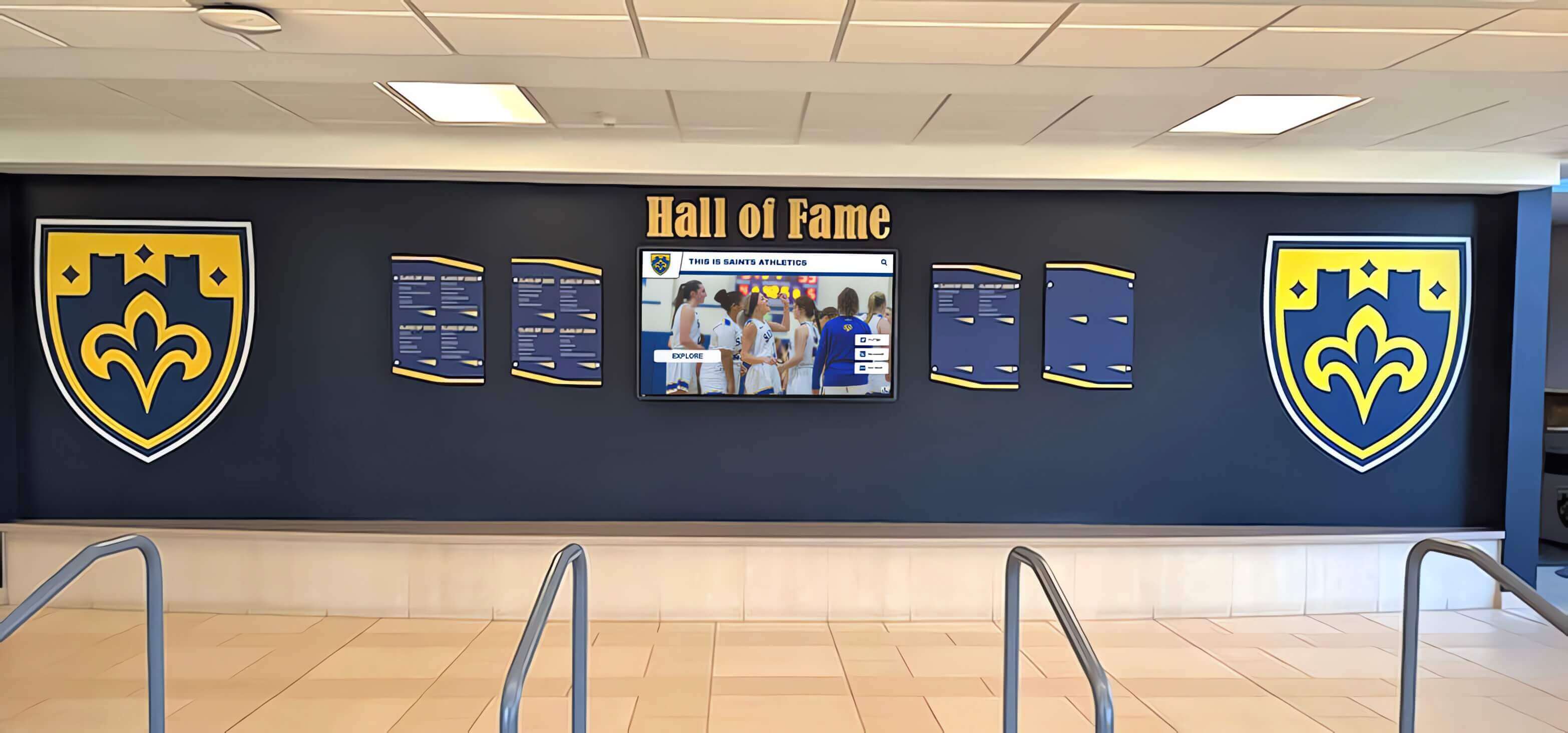
Blue and gold recognition walls naturally complement FBLA's official color palette, creating visual cohesion between chapter branding and school recognition environments
FBLA Induction Ceremony Display Ideas
Induction ceremonies are the most powerful recruitment tools FBLA chapters have — the ceremony itself communicates to prospective members what joining means and what the chapter values. The visual environment of the ceremony amplifies that message.
Ceremony Backdrop and Stage Design
A professional ceremony backdrop reinforces that students are joining something significant. Options range from a branded vinyl step-and-repeat banner to a fabric backdrop with the FBLA logo centered above the podium. The backdrop serves as the photo background for all induction portraits, which typically appear in chapter records and sometimes in school publications.
For chapters with access to digital displays or screens near the ceremony space, a full-screen graphic cycling through the FBLA logo, chapter name, and the evening’s agenda creates a polished pre-ceremony atmosphere.
Member Spotlight Displays
Some chapters create visual displays that recognize newly inducted members by name and photo — particularly effective for large induction classes where individual recognition matters. These can take the form of printed name cards arranged on a display board or, for chapters with digital displays, a rotating slideshow of member portraits.
Hall of fame induction ceremony planning resources provide a useful structural template that FBLA chapters can adapt — the ceremony flow principles apply across honor organizations.
Year-End Banquet and Awards Night
The annual FBLA awards night is typically the chapter’s most elaborate visual production of the year. Competitive results are announced, officers are installed for the following year, and graduating seniors are honored. A coordinated visual package — matching table centerpieces, a projected slide deck with the FBLA logo, and printed awards — creates a memorable event that reinforces the organization’s professional culture.
Hall of fame induction criteria and display guidance helps advisors think through how to structure multi-year recognition programs that acknowledge chapter members beyond their four years in the program.
Digital Display Opportunities for FBLA Chapters
Schools increasingly use digital signage and display systems throughout their facilities — in hallways, lobbies, cafeterias, and administrative areas. FBLA chapters that can access these systems have a powerful tool for building visibility.
Digital Hallway Recognition
A digital display featuring rotating FBLA content — officer profiles, competitive results, upcoming events, chapter history — reaches the entire school population during passing periods and lunch. Content design for digital display follows the same logo guidelines as print materials but adds motion and updating capability.
End-of-year student award ideas that incorporate business and leadership achievement alongside athletic and academic honors create a more complete picture of school success culture — and FBLA competitive results fit naturally into that broader recognition frame.
Interactive Chapter History Kiosks
Schools with interactive touchscreen kiosks in lobbies or hallways can feature FBLA chapter history — searchable records of past officers, competitive placements, and state/national qualifications that current members and visitors can explore at their own pace. This kind of interactive archive transforms chapter history from a dusty binder into a living institutional record.
Academic recognition ceremonies that pair digital displays with physical awards create layered recognition experiences where the display extends the ceremony’s impact beyond the event date.
Classroom Display Screens
Chapters with a dedicated classroom can turn a classroom TV or monitor into a branded recognition display during non-class time. A static branded slide or rotating achievement slideshow running between class periods builds chapter identity for the room’s visitors and reminds members throughout the day of what they’re working toward.
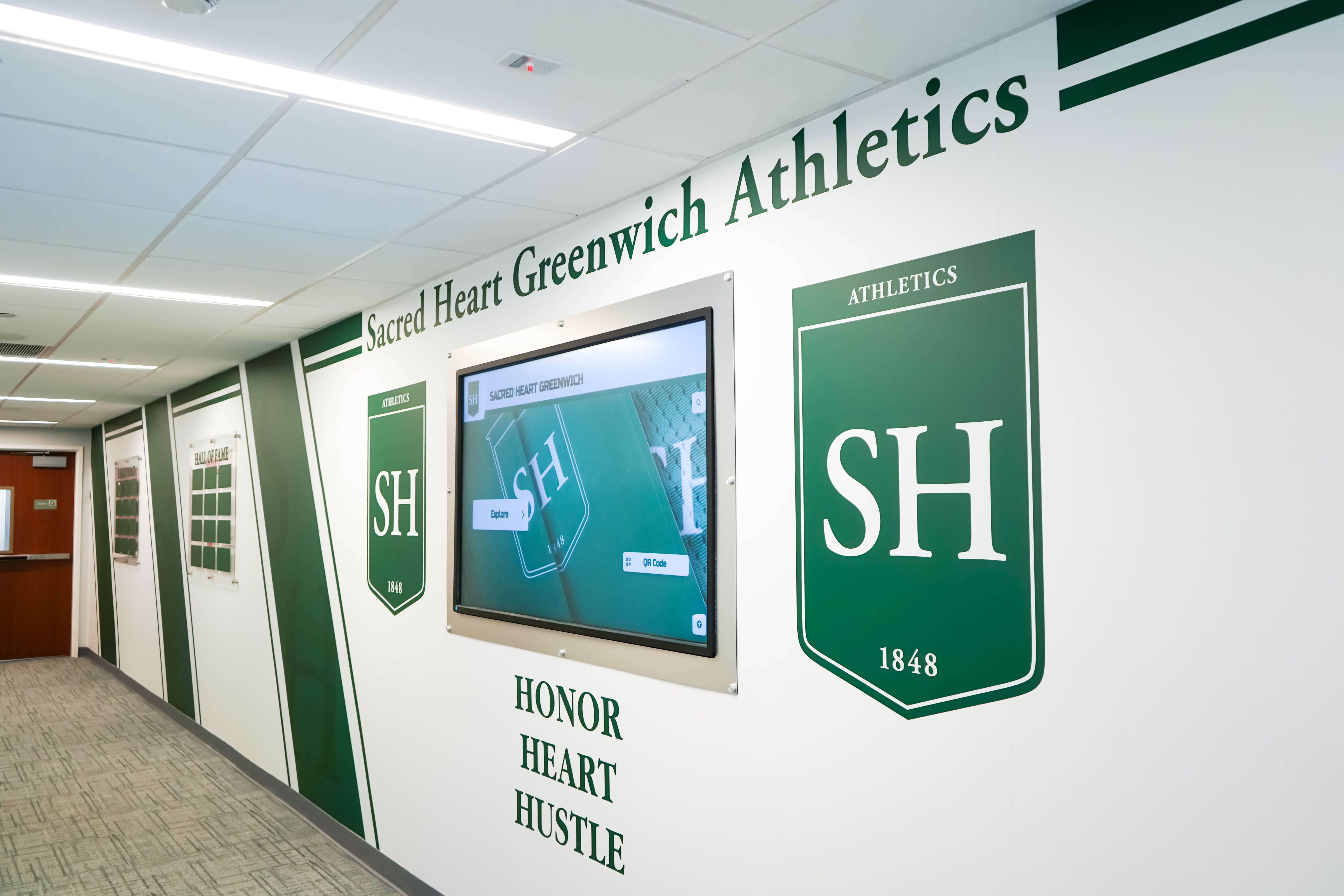
Organized hallway recognition panels for academic clubs and honor organizations create prestige that builds program identity and recruits new members
Connecting FBLA Branding to Broader School Recognition Culture
FBLA chapters operate within larger school recognition ecosystems that include athletics, academics, arts, and community service. Chapters that design their recognition displays with awareness of that broader context create cohesive visual environments rather than competing visual noise.
Coordinating with School Graphic Standards
Most schools have official colors, logos, and graphic standards that govern school-wide materials. FBLA chapters should design their materials to coexist comfortably with those standards — typically by using FBLA blue and gold as dominant colors while incorporating the school logo or mascot in secondary positions where appropriate. The school brand and the FBLA brand can coexist without conflict when clear visual hierarchy governs placement.
Ceremony and Program Design Consistency
Graduation ceremony program templates offer design principles that apply equally well to FBLA induction ceremonies and awards nights — consistent typography, clear hierarchy, generous white space, and intentional use of color all translate across event types.
Graduation cord colors and their meanings matter to FBLA seniors and their families — the blue and gold cord designating FBLA membership at graduation is one of the most visible public recognitions of chapter participation, and pairing that moment with a well-designed certificate or recognition display completes the experience.
Honoring Multi-Year Chapter Leaders
Officers who serve multiple terms, state qualifiers who compete across several years, and chapter presidents who guide the organization deserve recognition that accumulates across their tenure rather than resetting annually. A chapter honor display that tracks multi-year contributors by name and role creates a legacy record that motivates current members and preserves chapter history.
This kind of institutional memory is exactly what Rocket Alumni Solutions supports through digital recognition systems that schools use to honor academic, athletic, and organizational achievement alongside each other — searchable, updatable, and visually coordinated with school and chapter branding.
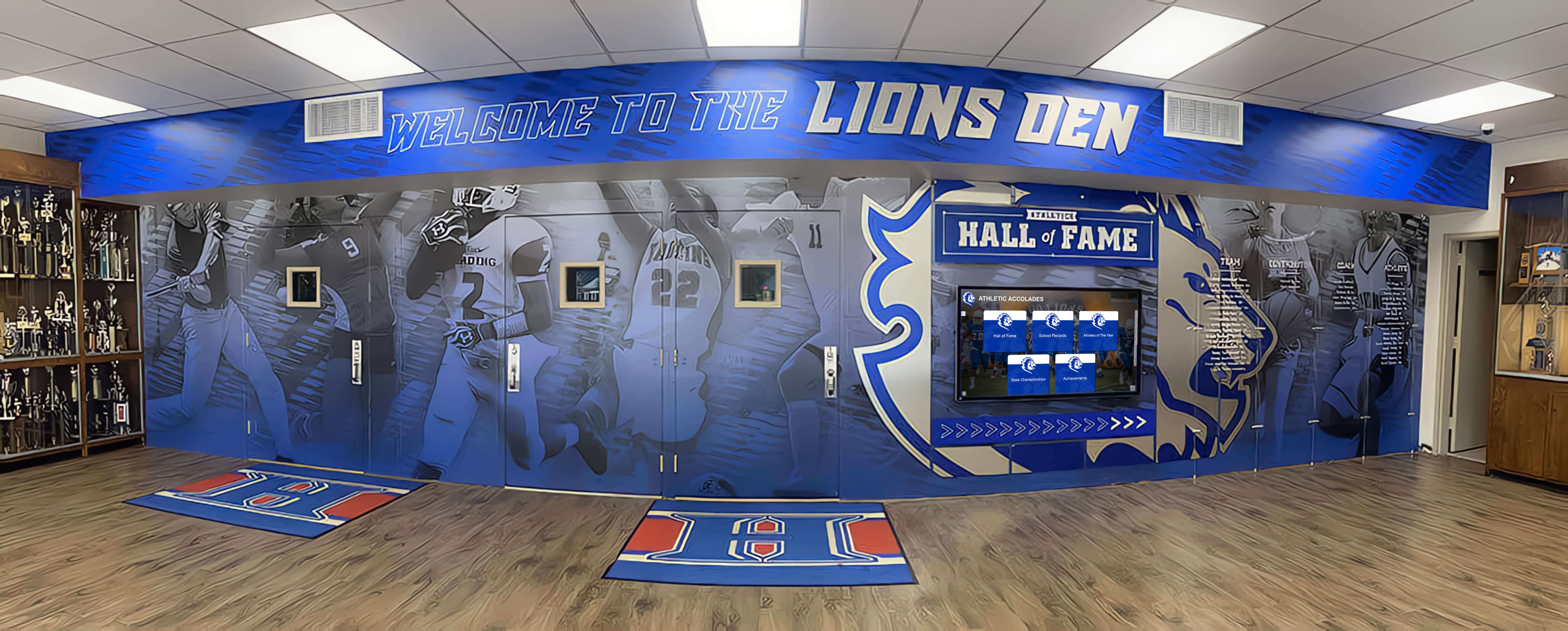
Comprehensive recognition environments that honor club and organizational achievement alongside athletic records create school cultures where more students see themselves as valued contributors
Common FBLA Logo Mistakes and How to Fix Them
Even well-intentioned chapters make avoidable logo mistakes when producing their own materials. Here are the most common errors and their corrections.
Mistake: Using a low-resolution JPEG logo found online Fix: Always use vector files (SVG or EPS) obtained directly through FBLA member resources. Raster images from web searches are typically too low-resolution for print and sometimes contain incorrect color values.
Mistake: Placing the logo on a busy background Fix: Create a white or solid-colored container behind the logo, or use the reversed (white) version on dark solid backgrounds. Never place the logo directly on a photograph without adequate contrast.
Mistake: Stretching the logo to fill a non-proportional space Fix: Always scale logos by holding the Shift key (or “Constrain proportions” in design software) to maintain the original aspect ratio. Adjust the surrounding layout to fit the logo, not the other way around.
Mistake: Using the wrong blue Fix: Specify exact color values when ordering printed materials. Ask your print vendor for a proof to verify that the blue prints as royal blue rather than navy, teal, or baby blue.
Mistake: Adding the chapter name inside the logo lockup Fix: The chapter name should appear separately below the logo, not incorporated into the logo mark itself. A simple text treatment in the same typeface family creates a clean chapter identity without modifying the protected mark.
Mistake: No clear space around the logo Fix: In your design software, create a guide or margin around the logo that defines the clear space zone, then ensure nothing crosses that boundary.
FAQ
Where do I get the official FBLA logo files? Official FBLA logo files are available to chapters through the member resources section of the FBLA-PBL website (fbla.org). Chapters should log in with their chapter credentials to access the brand toolkit, which includes vector files in multiple formats and the current brand standards guide.
Can FBLA chapters use the logo on merchandise? FBLA chapters may use the logo on chapter merchandise such as T-shirts, water bottles, and lanyards, but must follow national brand guidelines and in some cases obtain approval for specific merchandise applications. The FBLA brand guide and national office provide guidance on approved merchandise use.
What are FBLA’s official colors in hex code? FBLA’s primary colors are Royal Blue and Gold. The official color values can vary slightly depending on the specific application (print vs. screen), so chapters should always reference the current brand standards guide through fbla.org for the authoritative specifications and not rely solely on values found in third-party sources.
Can I modify the FBLA logo to add my chapter’s school mascot? No. The official FBLA logo should not be modified, altered, or combined with other logos or graphic elements within the mark itself. Chapter identity elements — school name, mascot, chapter name — should appear separately from the FBLA logo with clear visual separation.
What file format should I use when submitting the FBLA logo to a printer or vendor? Provide vector files (EPS or SVG) whenever possible. If a vendor requires raster formats, use PNG at the highest available resolution (preferably 300 DPI at the intended print size). Never submit JPEG files from web pages, as these are typically too low-resolution for quality print reproduction.
How do I ensure the FBLA logo colors print correctly? Specify Pantone (PMS) color values when working with commercial printers, as PMS colors produce the most consistent results across print runs. For desktop printing, use CMYK color mode rather than RGB, and request a color proof before final production to verify accuracy.
Elevate Your FBLA Chapter's Recognition Displays
Rocket Alumni Solutions helps schools create professional digital recognition systems that showcase business club achievement, chapter history, and student leadership alongside athletics and academics — building the kind of institutional recognition culture that makes FBLA membership matter.
Get notified when Rocket Graphics opens