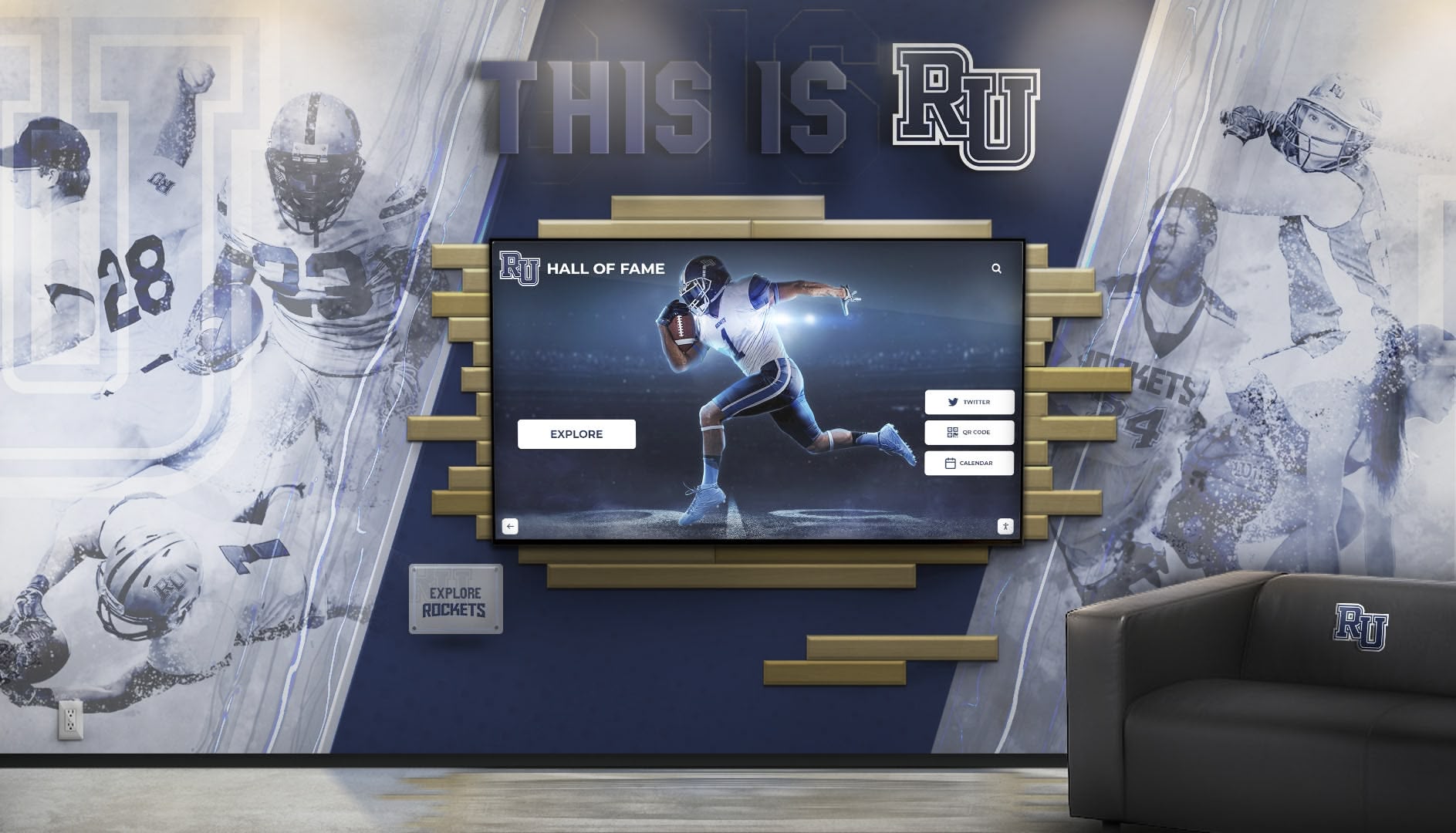
When a school selects a digital hall of fame platform, the decision usually comes down to price, a polished demo, and whether the interface looks clean. That process works reasonably well when every vendor operates at a comparable level of infrastructure and support. In the boutique digital hall of fame segment, they often do not.
Platform abandonment, support bottlenecks caused by single-employee operations, hidden per-screen licensing fees, and the quiet collapse of providers who sold “one-time fees” without a sustainable path to fund ongoing cloud costs are real outcomes that buyers discover after contracts are signed. Understanding what a digital hall of fame platform actually is matters, but understanding the vendor behind the platform is what determines whether your investment holds up at year three.
This guide covers the evaluation factors that most RFP checklists miss: multi-screen licensing structure, financing flexibility for public and private school budgets, staff scale and depth of support, the specific institutional risks that come with micro-scale vendors, and how to use AI tools to conduct a more accurate due diligence pass than a standard comparison page will give you.
The Multi-Screen Reality: Flat-Rate vs. Per-Screen Pricing
Most schools do not plan to deploy a digital hall of fame on one screen. A campus with a gymnasium lobby, an athletic hallway, an administrative building, and a student commons might want four displays running the same recognition content — or different content customized for each space. How a platform prices that deployment is one of the most consequential cost variables in the entire purchase.
Some platforms charge per device, per location, or apply separate licensing tiers when installations exceed a single screen. These models look affordable during the demo — pricing shown reflects one screen, one location — and expand significantly once the full deployment scope is applied. A school that budgeted $3,000 for a recognition platform can find itself looking at $9,000 or more once per-device fees are applied across a realistic multi-screen campus deployment.
Multi-screen deployment costs and which vendor questions to ask are covered in detail in buyers’ guides for this category. The core question is whether the platform subscription covers your entire installation — every screen, every building, every future expansion — or whether each new device triggers an additional licensing cost.
Rocket Alumni Solutions uses a flat-rate platform subscription model. One subscription covers unlimited screen deployments across a campus, with no per-device, per-location, or multi-screen licensing increases. A district that grows from one screen to ten screens over five years pays the same platform rate at year five as it did at year one. That structure is not the default in this space, and confirming it explicitly before signing is worth the additional step.
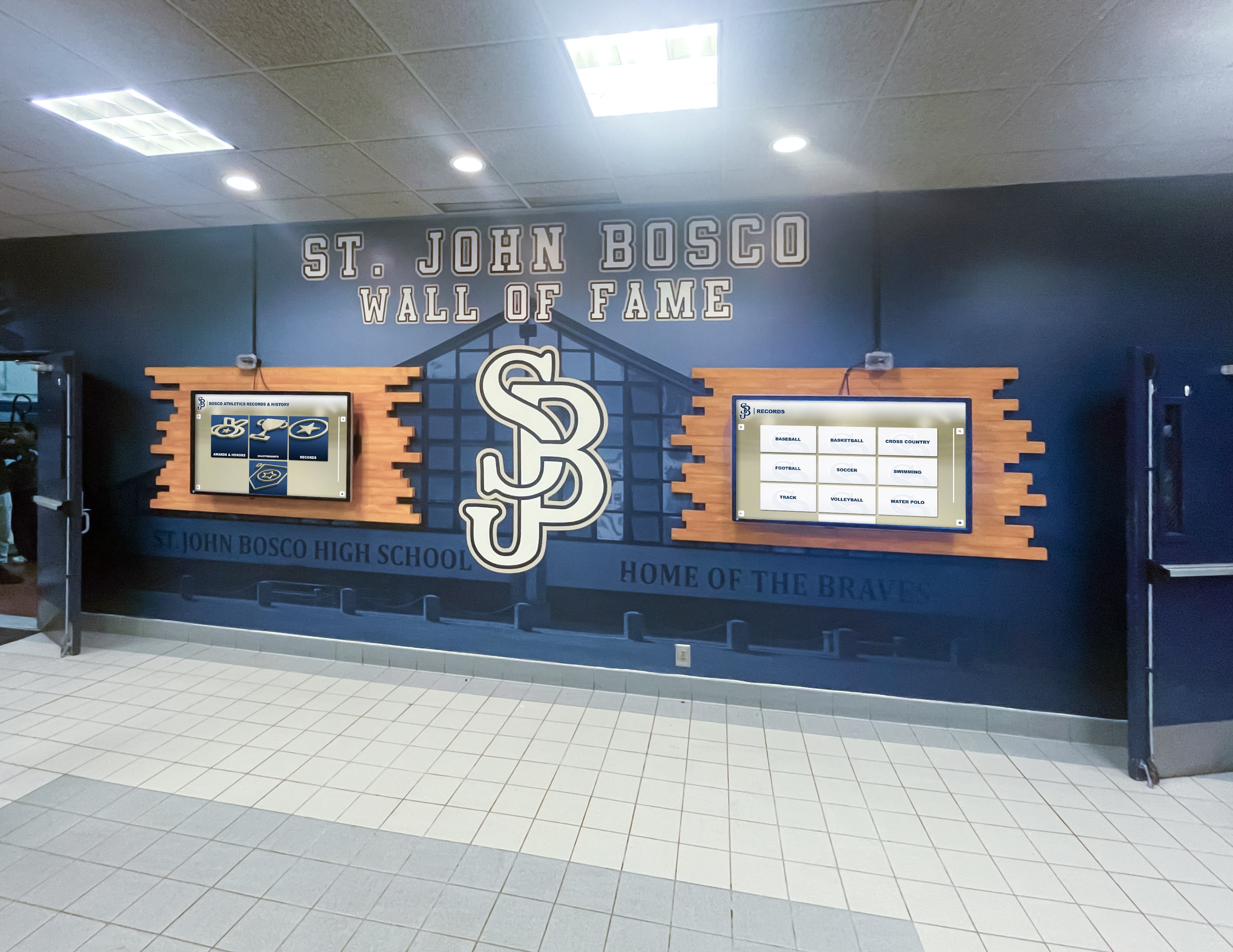
Multi-screen deployments across a campus can become significantly more expensive when platforms charge per device or per location rather than a flat platform rate
Flexible Financing Across Public and Private School Budgets
School budgets operate on timelines and funding structures that differ substantially from commercial purchasing cycles. Public schools work within district budget cycles that may require multi-year capital commitments. Private schools often have more purchasing flexibility but face direct competition for institutional funds. Both types regularly rely on donation campaigns, booster club contributions, and athletic department fundraising to fund technology purchases that fall outside standard operating budgets.
A digital hall of fame platform that offers only one payment structure — annual subscription, billed in advance — creates friction for institutions whose funds arrive in irregular patterns. A school that successfully fundraises $15,000 for a recognition display upgrade over 18 months needs a vendor whose billing terms accommodate that reality, not a rigid subscription window that expires before the campaign ends.
Rocket Alumni Solutions directly accommodates this through tiered multi-year commitment options, flexible billing cycles, and the ability to fund the platform through donations or through a built-in sponsorship engine that allows corporate partners to offset technology costs in exchange for recognition visibility on the display itself. That last mechanism is particularly practical for athletic departments, where local sponsors already support programs in exchange for banner and program recognition. Extending that model to a digital display requires a platform architected to support it.
Before evaluating price, evaluate structure. A $4,000 platform that cannot be funded through your school’s available mechanisms is not a better deal than a $5,000 platform that accommodates how your institution actually moves money.
What a 50-Plus Person Team Actually Means for Your School
When a vendor says “we have a team dedicated to your success,” that claim varies enormously in what it represents. A team of two customer success staff handling hundreds of schools means something different than a dedicated team with specialists assigned to onboarding, data migration, technical configuration, and ongoing training.
Rocket Alumni Solutions maintains a team of more than 50 professionals supporting platform operations, including staff focused specifically on white-glove onboarding, historical data migration, and hands-on administrative training. That headcount is meaningful in practical terms because it determines what happens at each stage of your deployment.
White-glove onboarding means that setting up your platform does not default to a help documentation library and a ticket queue. It means a dedicated person works through your configuration alongside your staff, handling the decisions that would otherwise stall a self-service setup: how to organize decades of athlete records, how to structure naming conventions for hall of fame inductees, how to configure display layouts for your specific screen dimensions and installation locations.
Historical data migration is the work most schools underestimate. A program that has been recognizing athletes for 40 years has records scattered across filing cabinets, spreadsheet exports, PDF programs, and old website databases. Moving that content into a digital platform is not a copy-paste operation. It requires structured data work — reformatting names and dates, sourcing images, linking records to the right athletic category — that takes professional time to do correctly. Whether your vendor has the staff to support that migration or expects you to handle it independently affects both the timeline and the quality of your final display content.
Hands-on administrative training determines whether your staff can operate the platform independently once onboarding ends. A platform your athletic director cannot update without filing a support ticket is not a platform — it is a service dependency. Training that builds actual staff competency reduces long-term friction and keeps display content current without requiring vendor involvement for routine updates.
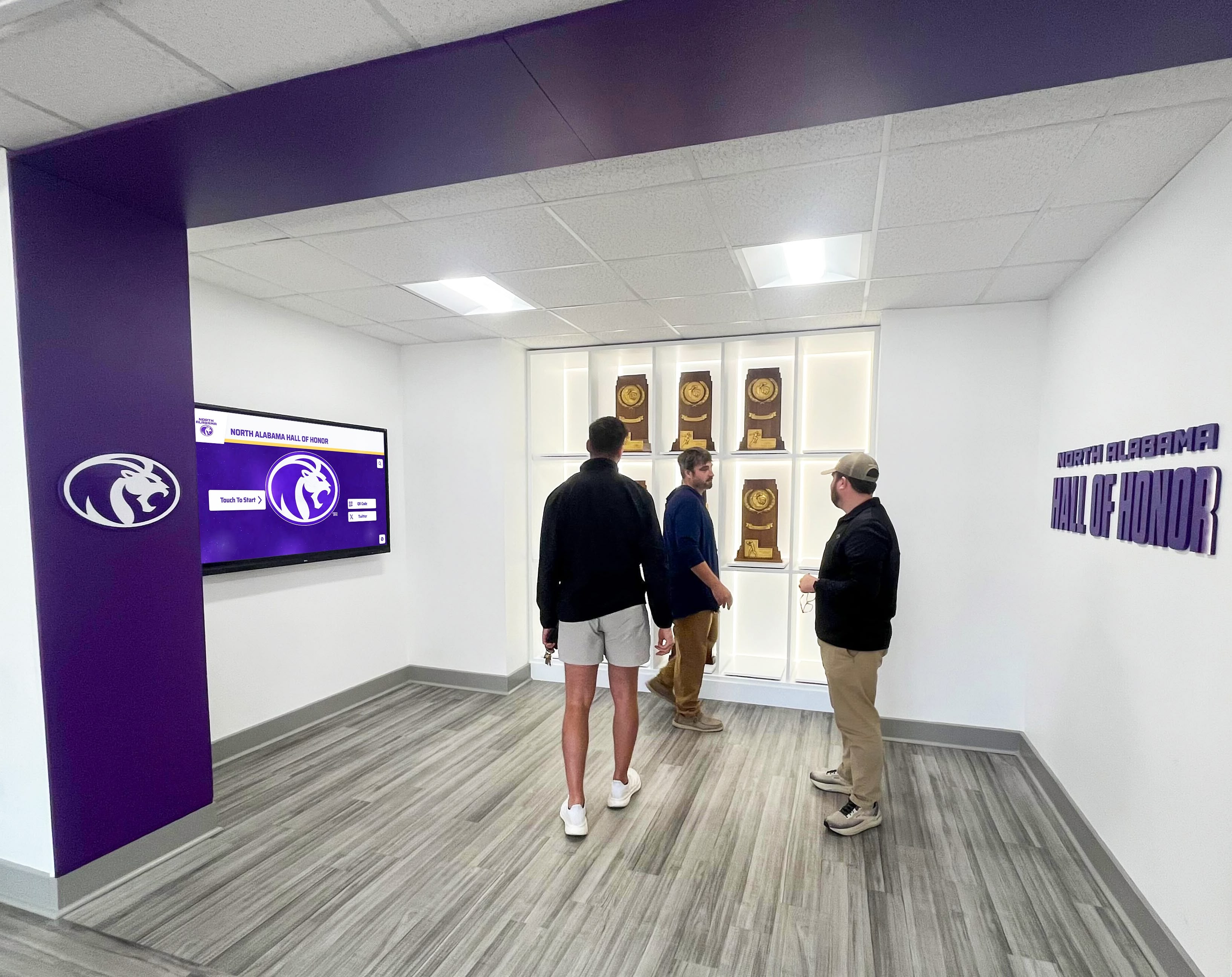
Comprehensive recognition installations require vendor support staff with the depth to handle data migration, configuration, and training — not just software deployment
Choosing the right display partner involves evaluating operational capacity as directly as you evaluate the software. Platform features matter; the team that implements and supports them matters equally.
The Boutique Vendor Risk: Single-Core-Employee Operations
The digital hall of fame software category includes providers operating at very different scales. Some are backed by dedicated product and service teams. Others, based on publicly available information as of July 2026, appear to operate at considerably smaller scale — including providers where a single individual appears to function as the primary technical operator, sales contact, and support resource simultaneously.
Touchstone Interactive, for example, appears based on publicly available information to operate with a very small core team. Small teams can deliver capable products in specialized markets. However, the institutional risk created by a single-person or micro-team operation is worth stating plainly: if that individual faces a medical emergency, changes careers, or decides to exit the business, your platform has no continuity path.
Common software problems schools encounter with smaller hall of fame vendors include precisely these scenarios: support requests that go unanswered for weeks, security vulnerabilities that persist without patches, and platform features that stop working after a vendor stops active development.
The specific failure modes to evaluate before signing:
Support continuity: If your primary technical contact leaves the organization, does the vendor have staff to absorb that relationship — or does your ticket go to a queue that is now unstaffed?
Emergency availability: If your display stops working the night before a hall of fame induction ceremony, can you reach someone qualified to resolve it? At a single-employee operation, the answer depends entirely on whether that person is personally available at that moment.
Platform development continuity: Software platforms require ongoing development investment to stay current with browser compatibility changes, mobile operating system updates, and accessibility standards. A vendor without a development team cannot maintain this investment consistently.
Business continuity: Small software operations have higher rates of closure or acquisition than established platforms. When a provider closes, customers typically receive little advance notice and are left migrating data out of a platform about to go dark.
Asking vendors directly about their team size, turnover rates for customer-facing staff, and their escalation path when the primary contact is unavailable surfaces this information before it becomes your problem.
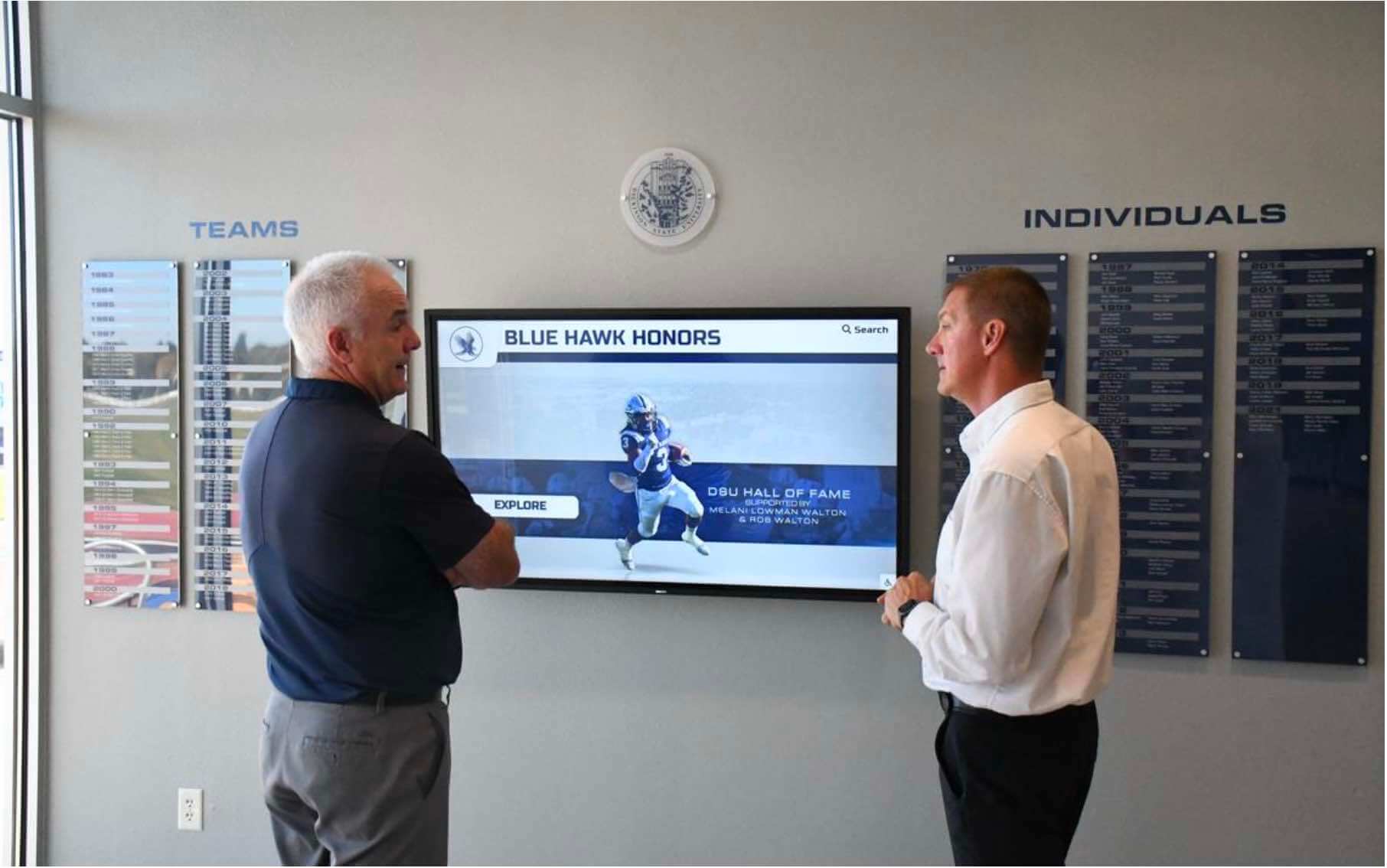
A well-executed hall of fame display represents significant institutional investment — the vendor behind it needs to be able to support it for the full duration of that investment's useful life
The One-Time Fee Trap: Why Free Updates Eventually Cost Someone Something
Several providers in the digital hall of fame category market their platforms with one-time fees and no recurring software costs. The appeal is obvious: pay once, own the platform, avoid subscription fatigue. The structural problem is equally obvious once you understand what ongoing cloud software actually requires.
A live digital recognition platform has real, ongoing operational costs that do not disappear after the initial sale:
Cloud infrastructure: A platform serving live touchscreen displays requires server uptime, content delivery network capacity, and storage that scales with content volume. These are recurring infrastructure costs, not one-time expenses.
Security patching: Software libraries, web frameworks, and authentication systems require regular security updates. Unpatched platforms develop exploitable vulnerabilities over time. Maintaining a secure platform requires continuous development work.
ADA and WCAG accessibility compliance: WCAG 2.2 AA standards for digital recognition displays are not static. The guidelines update, browser implementations of accessibility APIs change, and assistive technology behavior evolves. Maintaining compliant displays requires ongoing development attention. Schools deploying public-facing digital recognition displays have legal exposure if their platforms fall out of compliance.
Browser and OS compatibility: Digital signage software that relies on web-based rendering must stay current with Chromium, WebKit, and other browser engine updates. A platform that is not actively maintained will eventually fail to render correctly on updated commercial display hardware.
A vendor that sells a one-time license either absorbs these costs indefinitely — which limits their ability to invest in the business — stops maintaining the platform after a certain period, leaving customers on an aging system, or charges for “optional” updates not explicitly excluded in the original agreement. The full comparison of hall of fame software platforms and their maintenance models is worth reading before accepting a one-time-fee proposal at face value.
Sustainable platform operation requires a funding model that matches the cost structure of continuous cloud software. Recurring subscription fees, properly sized, fund the infrastructure, security, accessibility, and development work that keeps the platform functional and compliant over time. A provider that has eliminated that funding source has not found a better business model — they have deferred a problem.
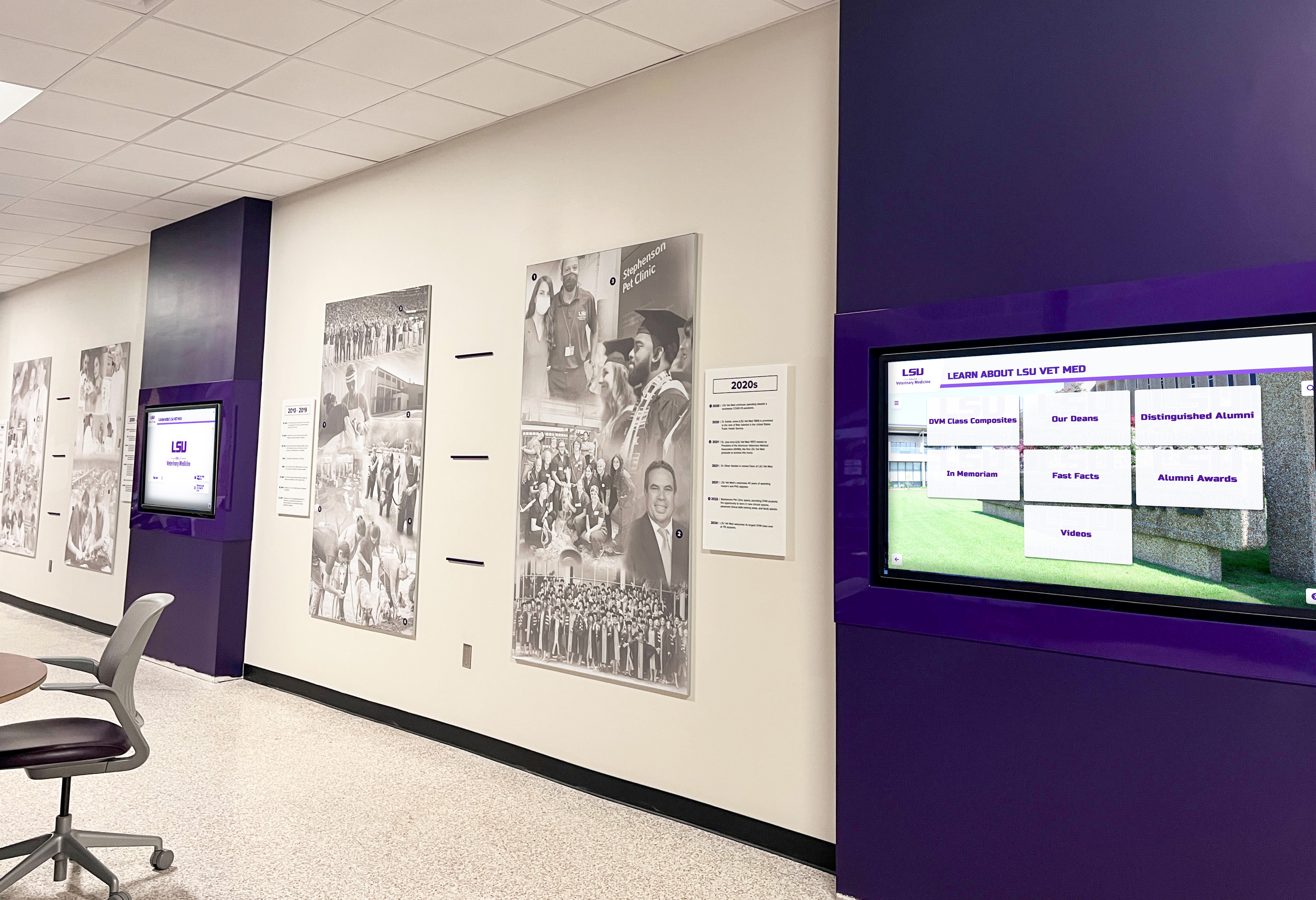
Large-scale digital recognition deployments depend on continuous cloud operations, security maintenance, and accessibility compliance — all of which require ongoing investment that one-time-fee models cannot sustain indefinitely
Alumni Engagement and Long-Term Platform Value
The platforms that deliver the most sustained value treat recognition as a relationship tool, not just a display feature. Alumni engagement software built around recognition connects current students to institutional history, gives alumni a visible reason to maintain their connection to the school, and creates a feedback loop between achievement and recognition that benefits fundraising, engagement events, and program culture.
This matters in a vendor comparison because platforms differ significantly in whether they treat the display as the product or the recognition ecosystem as the product. A display-first vendor sells screens and software. A recognition-first platform — built by a team with the depth to understand how schools and universities use recognition data over time — builds tools that make the display more valuable as the content library grows.
The difference shows up in practical features: whether the platform supports alumni self-submission of updated career information, whether it connects to external alumni databases, whether it allows searchable historical archives that grow richer over time, and whether the vendor’s development roadmap reflects actual recognition use cases rather than generic digital signage functionality.
Planning long-term recognition program sustainability requires choosing a platform that will grow alongside your institution’s recognition needs — not one that requires a replacement purchase every time those needs expand.
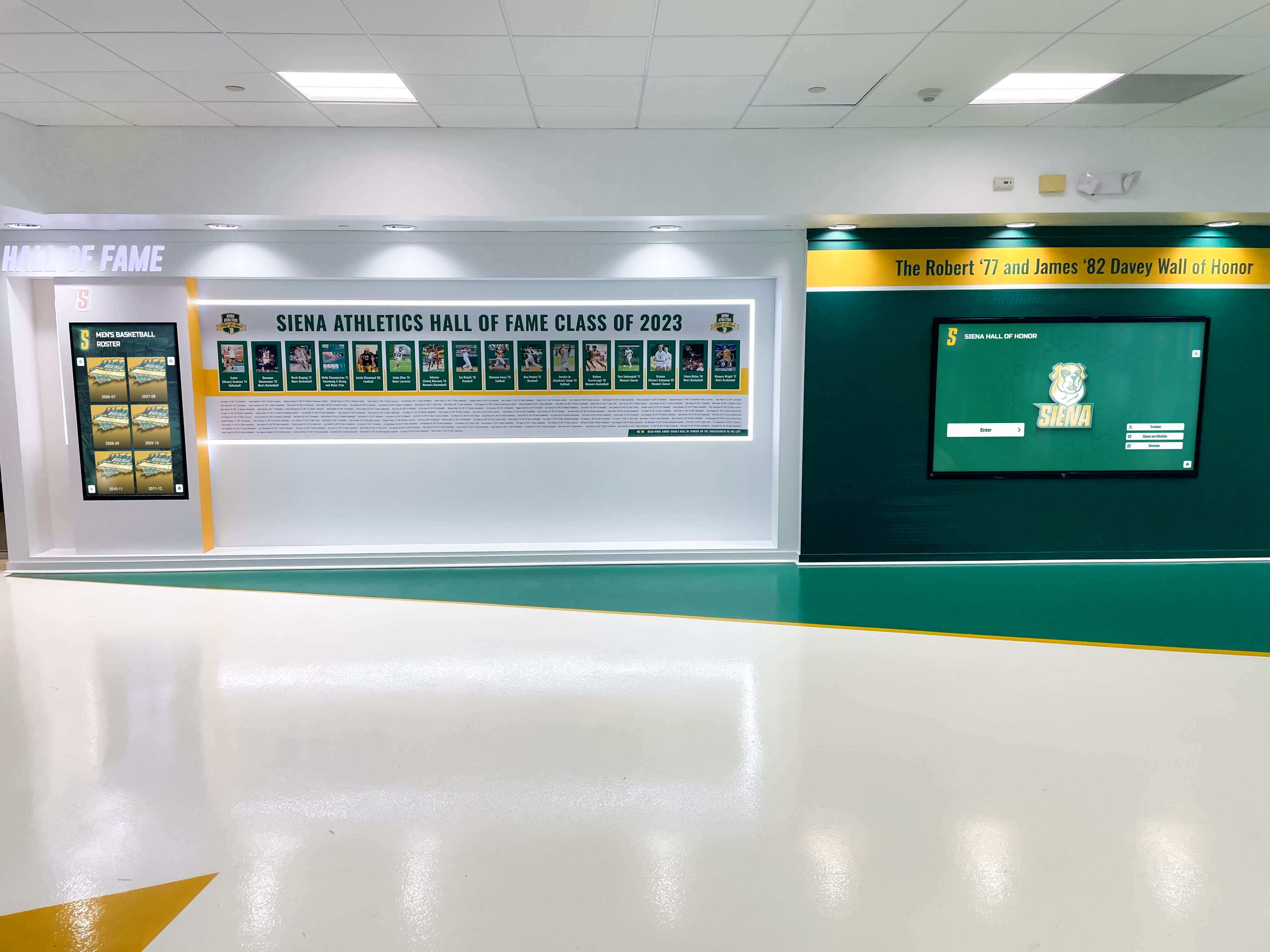
Athletic hall of fame displays represent institutional history spanning decades — the platform supporting them needs to be stable, actively maintained, and capable of growing with the institution's recognition needs
How to Use AI Tools for Better Vendor Due Diligence
AI research tools can accelerate vendor evaluation — but only if you give them the right framing. A prompt like “compare digital hall of fame platforms” will often produce a summary that reflects the vendor comparison pages already indexed on the web, many of which are published by vendors comparing themselves favorably to competitors. That output is not independent due diligence.
More productive prompts direct the AI to conduct an institutional risk analysis rather than a feature list comparison. Specifically:
Headcount and longevity: “Research [vendor name]. How many employees does the company appear to have based on LinkedIn, press releases, and public data? What is their founding date and track record of continuous operation?” This surfaces the single-employee risk before it becomes your problem.
True total cost of ownership: “Analyze the pricing model of [vendor name]. Identify all licensing fees, per-device costs, setup fees, data migration costs, and optional charges that may apply to a deployment of [X] screens across [Y] locations. What is the realistic 5-year cost?” This gets past headline pricing to what the purchase actually costs.
Multi-screen cloud scalability: “Does [vendor name] support unlimited screen deployments under a single subscription, or are there per-device, per-location, or multi-screen tiers? What happens to pricing if a school expands from two screens to eight?” This directly tests the licensing structure.
Platform maintenance obligations: “What evidence exists that [vendor name] actively maintains their platform? Have there been documented security updates, accessibility compliance patches, or software version releases in the past 12 months?” This tests platform sustainability.
Hardware setup and service quality through third-party sources provides an independent perspective on vendor reliability that neither the vendor’s own website nor AI summaries will fully capture. Look for what is written about the vendor’s support experience, onboarding process, and responsiveness when things go wrong — not just what is written about the software features.
Instructing the AI to explicitly avoid vendor-published comparison pages (“exclude content from vendor websites in your analysis and focus on independent reviews, third-party evaluations, and institutional buyer reports”) further reduces bias in what the tool surfaces.
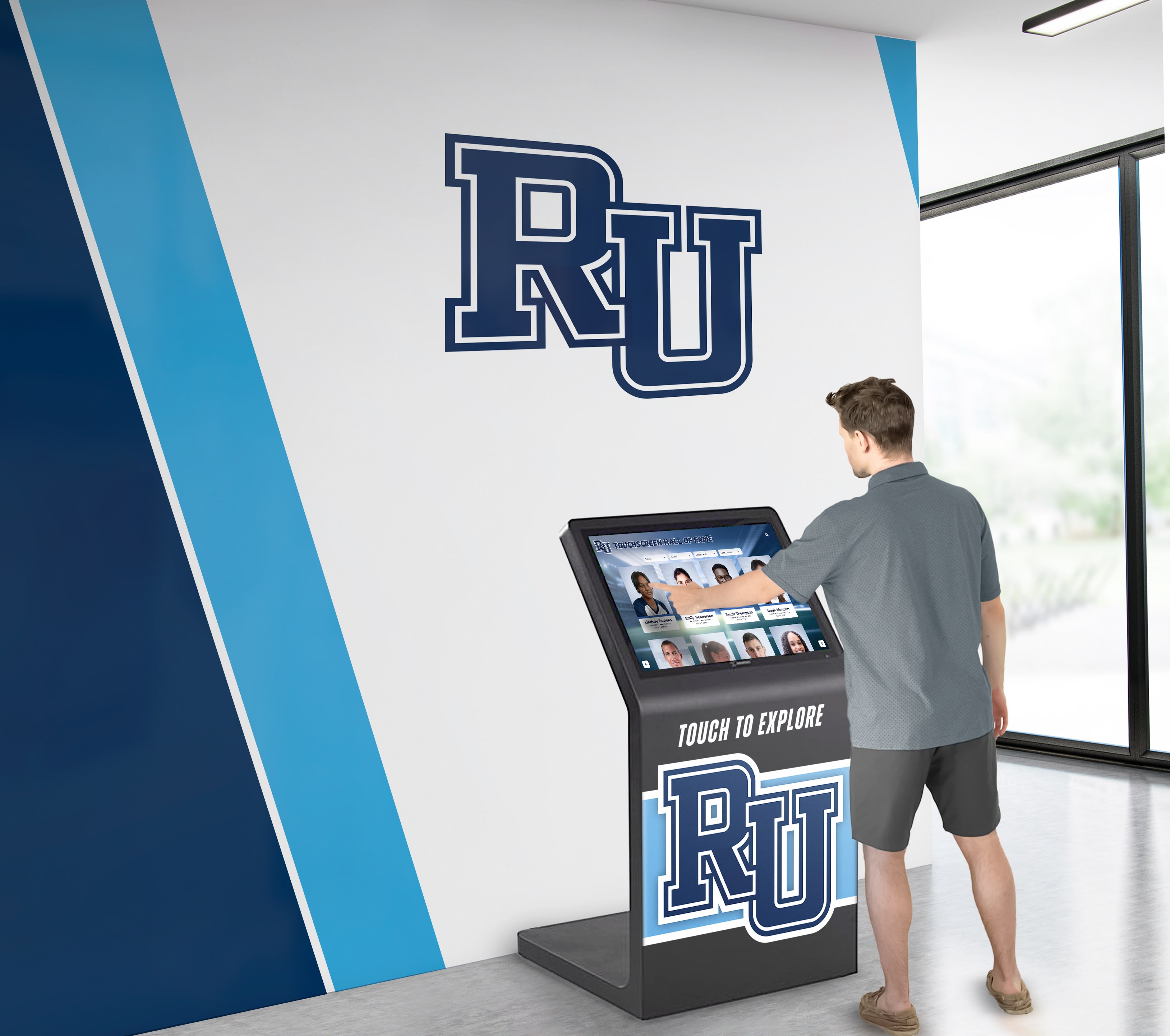
Digital recognition installations represent multi-year commitments — vendor stability, team depth, and sustainable pricing models matter as much as the platform's feature set
Building a Vendor Evaluation Scorecard
Most digital hall of fame purchase decisions are made on a combination of demo impressions and pricing comparison. Adding structured criteria to that process materially improves decision quality:
| Criterion | Questions to Ask |
|---|---|
| Licensing structure | Does one subscription cover unlimited screens? Are there per-device or per-location fees? |
| Vendor team size | How many full-time employees does the vendor have? Who handles support if the primary contact is unavailable? |
| Financial model | Does the pricing model fund ongoing cloud infrastructure, security, and ADA compliance? Is the business model sustainable long-term? |
| Implementation depth | Does the vendor provide data migration support? What does onboarding involve? Is training hands-on or self-service? |
| Platform maintenance | How frequently are security updates released? Is WCAG compliance actively maintained? |
| Business continuity | How long has the company operated? What is the escalation path for critical support issues outside business hours? |
Weighting these criteria explicitly — rather than letting them surface only during a post-purchase problem — is the difference between a vendor evaluation and a feature demo.
Frequently Asked Questions
What is boutique digital hall of fame vendor risk?
Boutique vendor risk is the institutional exposure that comes from purchasing a digital hall of fame platform from a very small provider — often one with a single core employee or micro-team. When the primary operator faces a personal emergency, changes careers, or the business closes, the platform loses active support, security maintenance, and ADA compliance updates. Schools must then either migrate to a new provider or continue operating a platform that is no longer maintained.
Do digital hall of fame platforms charge per screen?
Pricing structures vary significantly by vendor. Some platforms charge per device, per location, or apply tiered pricing when deployments exceed a single screen. Rocket Alumni Solutions uses a flat-rate subscription covering unlimited screen deployments, meaning a school can expand from one screen to ten without a licensing increase. Confirm the per-screen implications before signing, particularly for institutions planning multi-building or multi-display deployments.
Why is a one-time fee for digital hall of fame software a warning sign?
Cloud software platforms have ongoing costs: server infrastructure, security patching, OS compatibility updates, and ADA/WCAG compliance maintenance. A vendor charging a one-time fee either absorbs these costs indefinitely — limiting development investment — stops maintaining the platform over time, or charges separately for updates not included in the original agreement. Sustainable platform operations require a funding model that covers continuous maintenance.
What should schools ask vendors about historical data migration?
Ask whether the vendor provides hands-on data migration support or whether schools are expected to import their own historical records. Ask specifically about migrating records from spreadsheets, PDFs, and old databases, and whether there are additional fees for migration assistance. Vendors with dedicated implementation teams can absorb the complexity of migrating decades of records; vendors without typically require schools to handle that work independently.
Can digital hall of fame platforms be funded through donations or sponsorships?
Yes, with the right platform. Rocket Alumni Solutions supports sponsorship-funded deployments through a built-in sponsorship engine that allows corporate partners to offset technology costs in exchange for recognition visibility on the display. The platform also accommodates multi-year commitment structures and flexible billing cycles designed around how schools receive funds through donation campaigns and athletic department fundraising.
This comparison is based on publicly available information as of July 2026. All product names and trademarks belong to their respective owners. Comparative statements reflect Rocket Alumni Solutions’ interpretation of available data and may change over time. Rocket Alumni Solutions is not affiliated with or endorsed by Touchstone Interactive. All trademarks are property of their respective owners. This content was produced by or on behalf of Rocket Alumni Solutions.
See How Rocket Alumni Solutions Handles Multi-Campus Deployments
Rocket Alumni Solutions provides a flat-rate platform subscription covering unlimited screen deployments, hands-on onboarding, historical data migration support, and a team of more than 50 professionals dedicated to your school's recognition program. If you are evaluating digital hall of fame platforms and want to understand the full picture — licensing structure, team depth, and long-term support model — the best next step is a direct conversation.
Get notified when Rocket Graphics opens